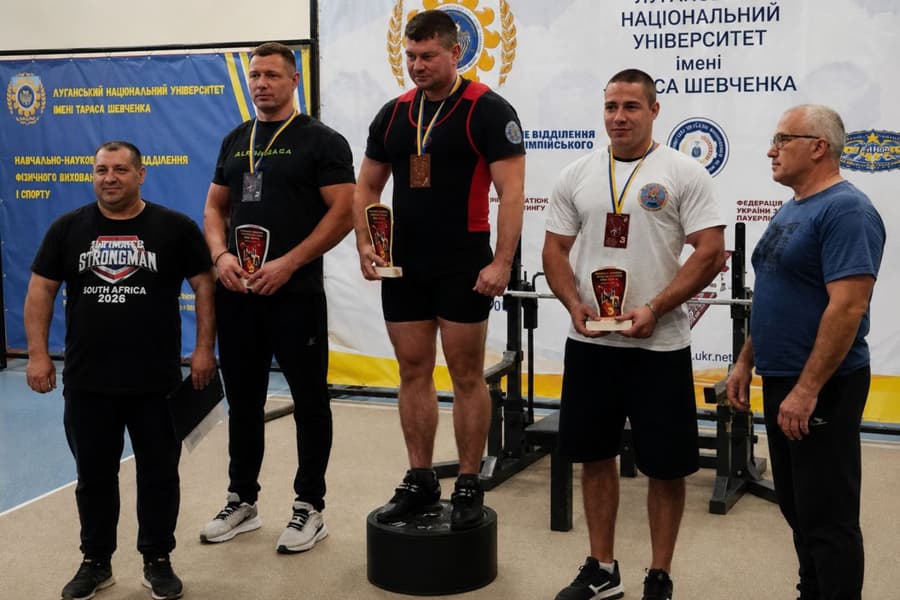
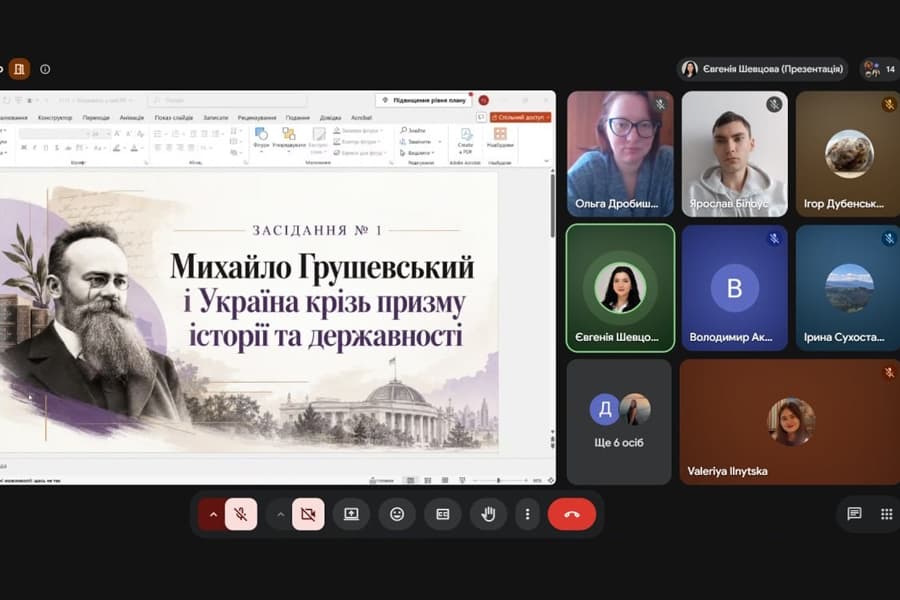
Production Pedagogical Practice
It is the production pedagogical practice that is one of the most important stages of the training of a future teacher, because it allows to combine thorough theoretical training with real experience of work in a general secondary education institution.
During the practice, students get acquainted with the organization of the educational process, the features of the functioning of a modern school, the work of the administration and the teaching staff. Future teachers attend training classes, analyze the methodology of conducting lessons, study school documentation, observe the interaction of the teacher with students and the features of organizing educational activities.
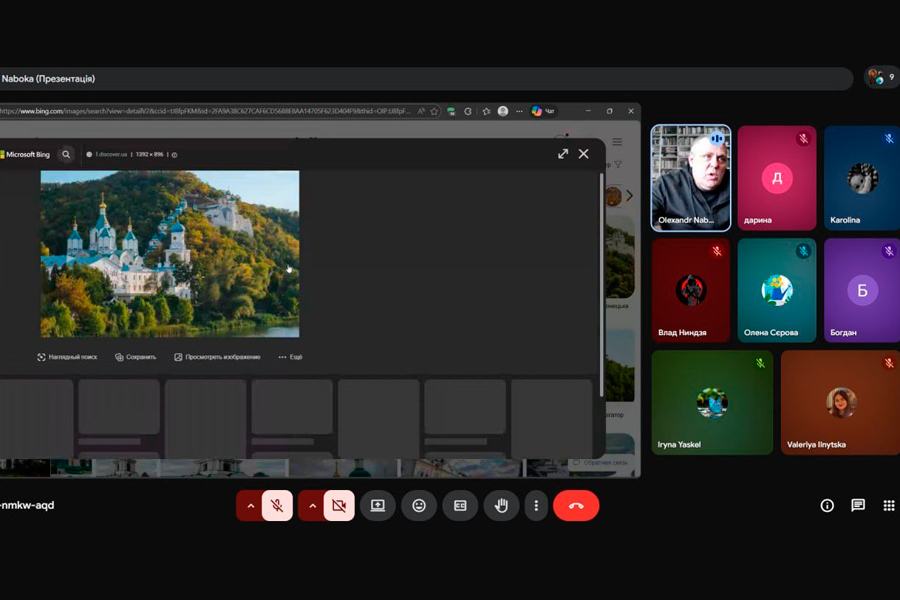
An important area of work is the acquisition of their own pedagogical experience. Students prepare lesson plans, select didactic materials, create presentations, work on thematic tasks for students, participate in educational activities and join extracurricular activities. Such activities contribute to the formation of responsibility, organization and understanding of the role of a teacher in modern society.
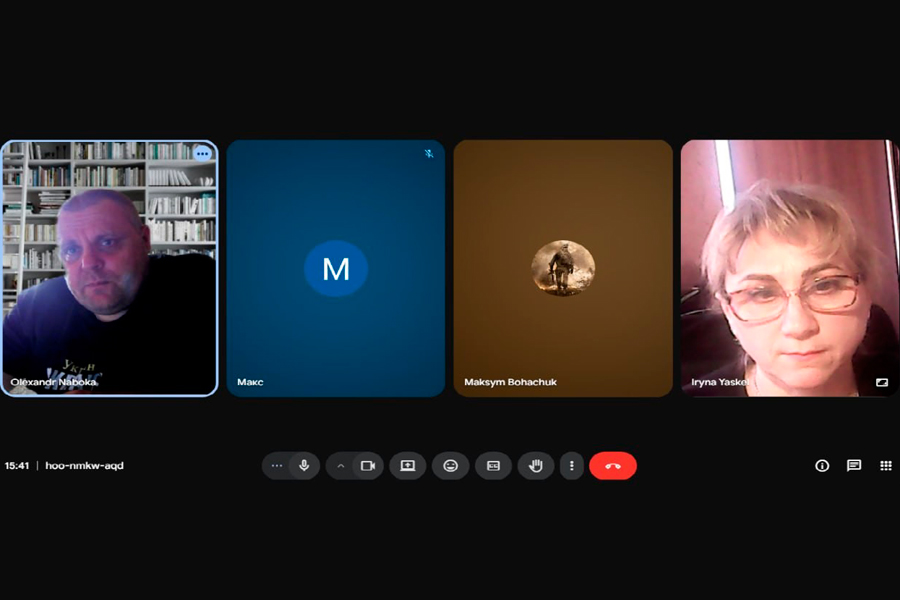
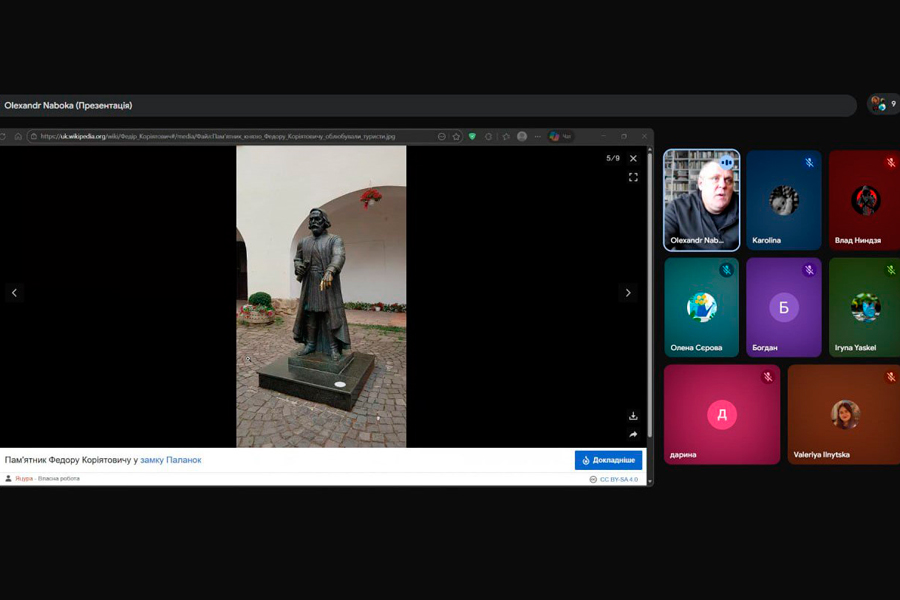
In particular, students Valeria Ilnytska and Iryna Yaskel, as well as other participants, have already shared with their supervisor the first results and positive impressions of immersion in the professional environment. As part of the implementation of individual tasks, students not only master the methodology of planning a modern lesson and selecting educational materials, but also learn to adapt complex historical narratives to the needs of the student audience, using various forms of presenting information to support cognitive interest.
The professional development is direct observation of the work of experienced teachers-practitioners. This allows future specialists to see real mechanisms for implementing partnership pedagogy and effective interaction in the classroom, which is an integral part of the formation of their professional identity. An important component of this trajectory was familiarization with the experience of history teacher Oleksandr Viktorovych Naboka. Attending his lessons, applicants analyze the logic of constructing a modern lesson, innovative ways of presenting historical material, and tools for organizing active work of students.
Such integration into the practical environment and the possibility of feedback from an experienced mentor allow students to more deeply understand the specifics of daily teaching work. The experience gained contributes to the formation of professional competencies provided for by the educational program, and allows them to effectively apply the best methodological approaches in their own pedagogical activities, ensuring high quality training of future specialists.
Production pedagogical practice on the basis of the Lymansky Lyceum of the Council creates conditions for combining university knowledge with real school experience, developing professional responsibility and forming readiness for future pedagogical activity.
Yevgenia Shevtsova,
senior lecturer of the Department of History and Archaeology