Work at the Educational and Research Laboratory of Chemistry, Biology and Ecology
Here, theoretical knowledge comes to life through practical experiments, observations, and small scientific discoveries.
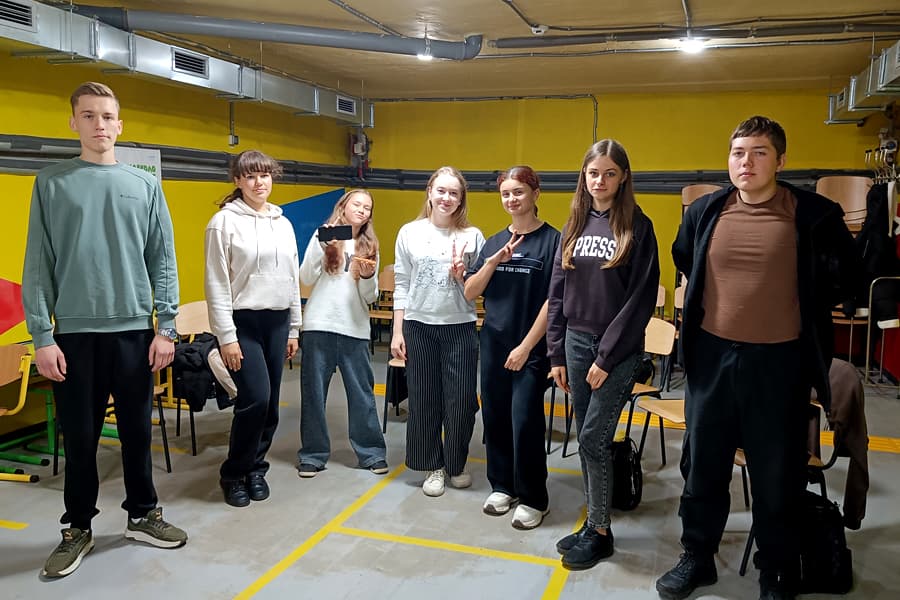
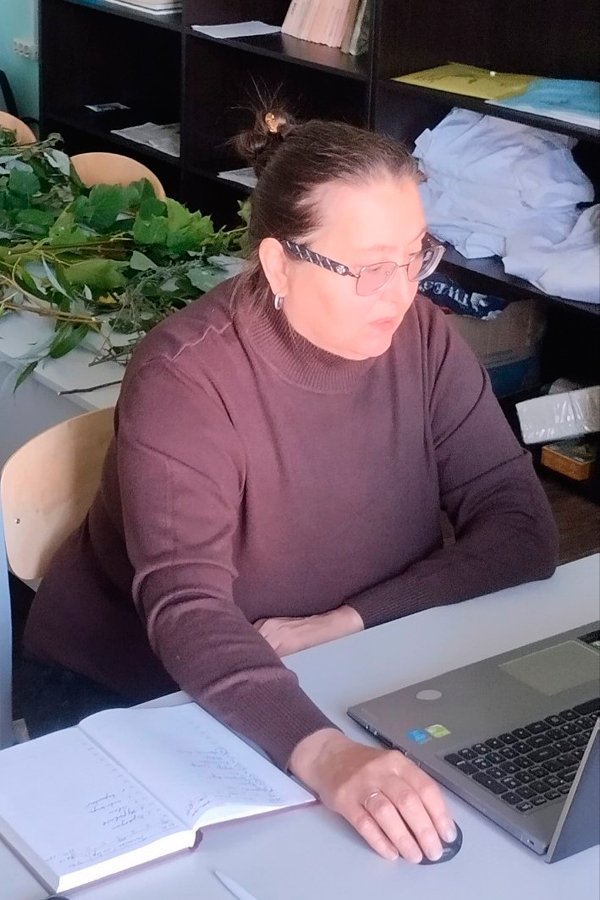
Recently, Liudmyla Anatoliivna Hlushchenko, Candidate of Biological Sciences, Senior Researcher and Associate Professor at the Department of Landscape Gardening and Ecology of the Faculty of Natural and Agrarian Sciences, conducted a practical class for first-year students in a blended-learning format on the topic “Plant Tissues.”
While studying the topic, students consolidated and systematized their knowledge of the main types of plant tissues, their origin, structure, location within plant organs, and functional significance. They examined meristematic, dermal, ground, mechanical, vascular, and secretory tissues, as well as the specific characteristics of the epidermis, periderm, bark, parenchyma, collenchyma, sclerenchyma, xylem, phloem, and cambium.
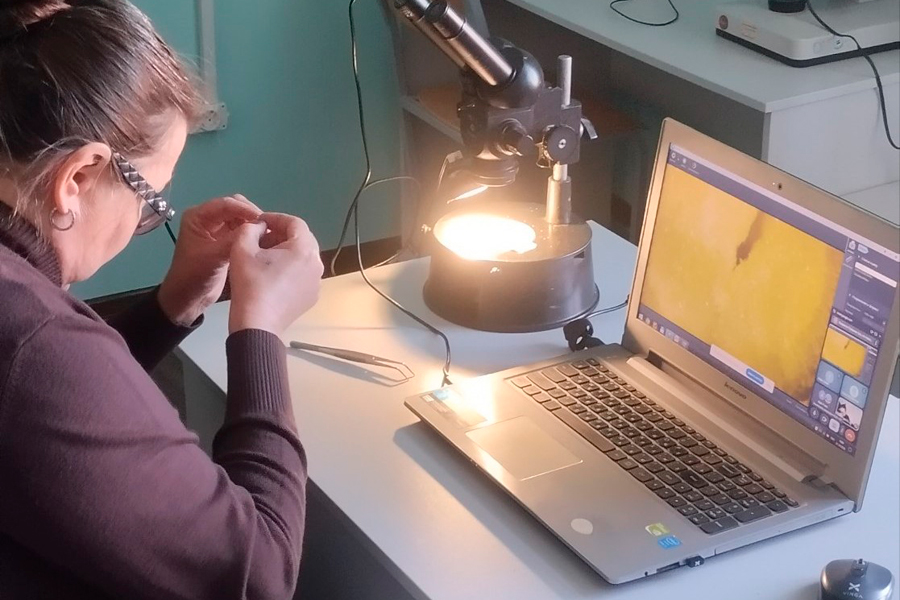
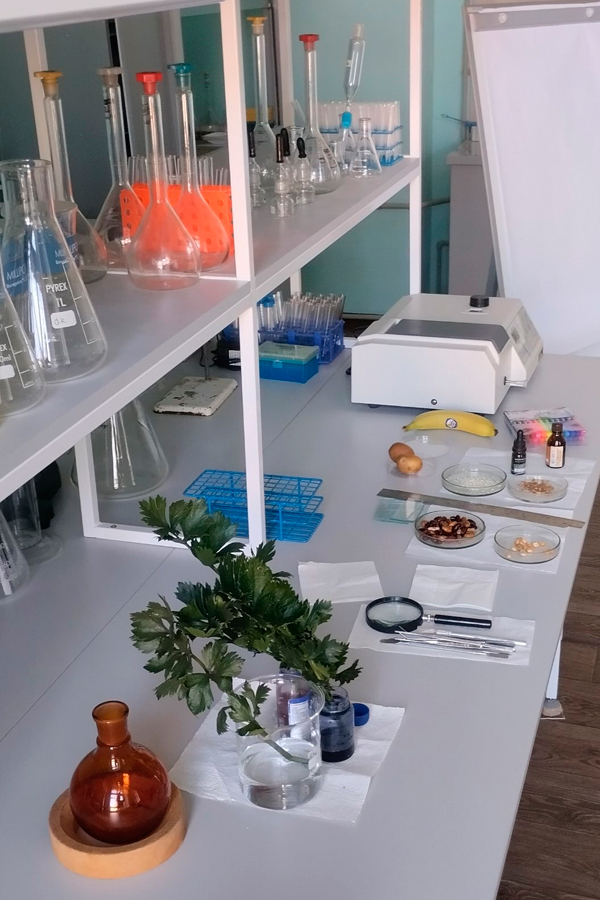
Special attention was paid to specialized plant structures, including stomata, hydathodes, nectaries, osmophores, laticifers, and resin ducts. To facilitate understanding of the material, students used illustrative diagrams, microphotographs, and examples of plants in which the relevant tissues are particularly well developed.
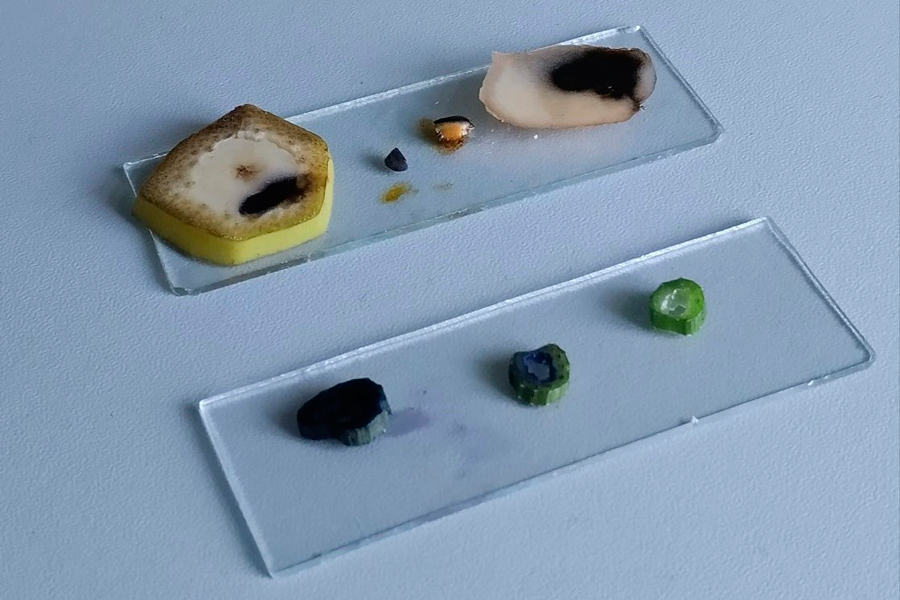
The practical part of the class was especially engaging. Students carried out accessible laboratory experiments that enabled them to observe how theoretical knowledge is manifested in real biological processes. They examined the macroscopic structure of a woody stem, observed the movement of water through the xylem, identified stored starch, compared the structure of monocot and dicot seeds, and learned to identify the main types of plant tissues using prepared microphotographs.
As a result of the practical work, students gained a better understanding of the relationship between the structure of plant tissues, their functions, and their role in plant life. Classes of this kind help students not simply memorize academic material, but observe biological principles in practice, develop their ability to analyze and compare, and draw their own conclusions.
The Faculty of Natural and Agrarian Sciences, based at the Educational and Research Laboratory of Chemistry, Biology and Ecology of LTSNU, creates every opportunity to ensure that classes, practical activities, and research work are meaningful, visually engaging, and interesting for students.
Department of Landscape Gardening and Ecology