VEATLEAD Holds Roundtable on Veterans’ Social Leadership
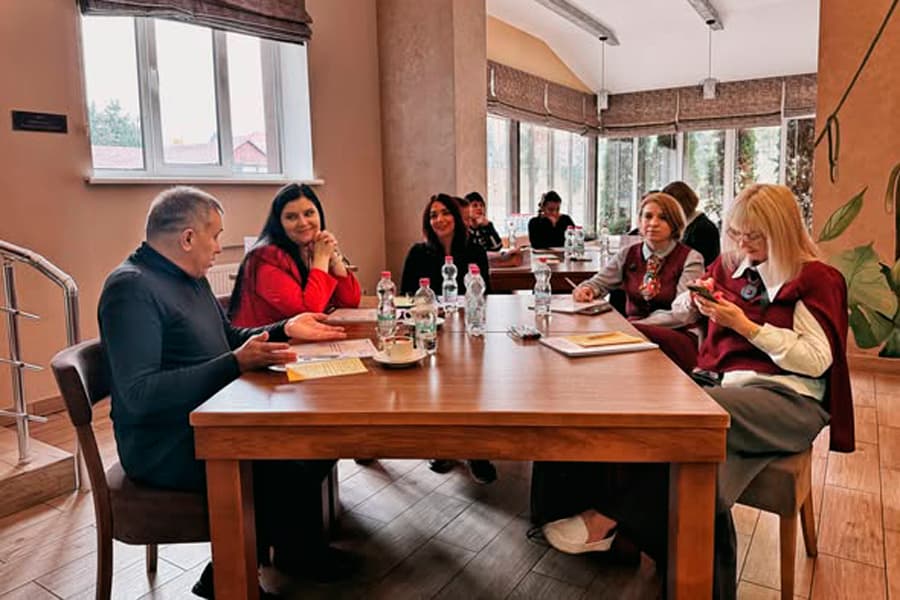
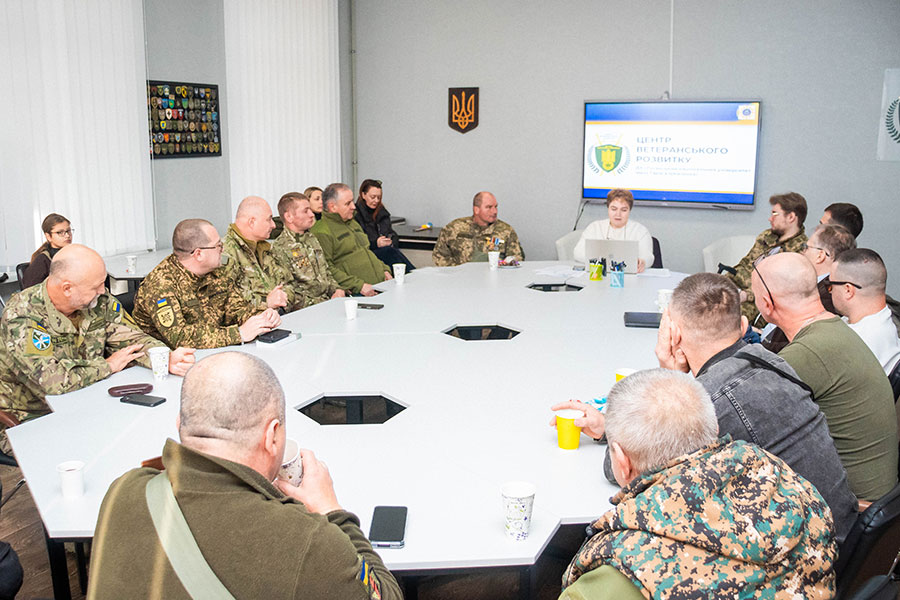
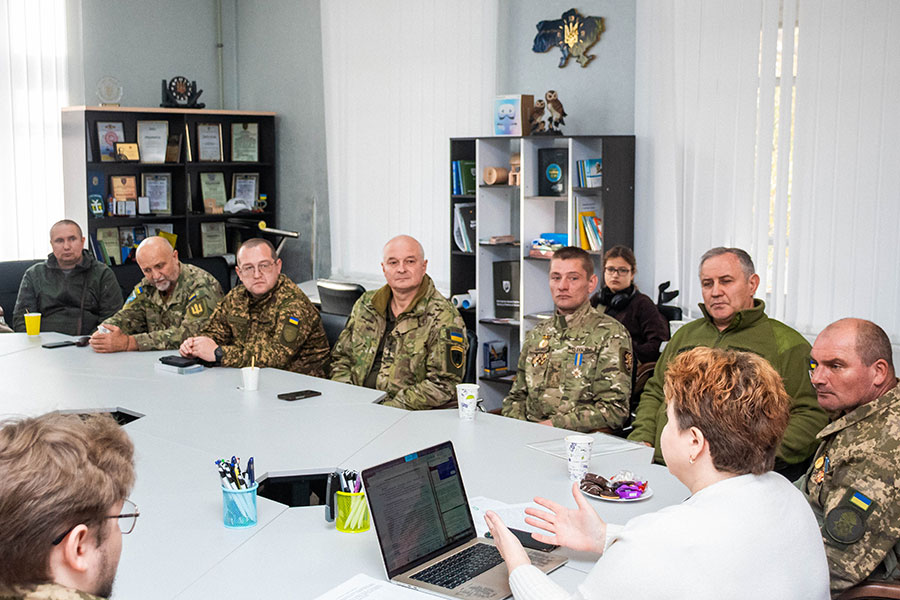
Veterans took part in the event alongside project team members I. V. Myhovych, Ya. I. Yurkiv, L. I. Vorona and L. V. Chernovska. Liliia Chernovska, Doctor of Psychological Sciences and Head of the university’s Department of Psychology, facilitated the roundtable. She also oversaw the psychological testing.
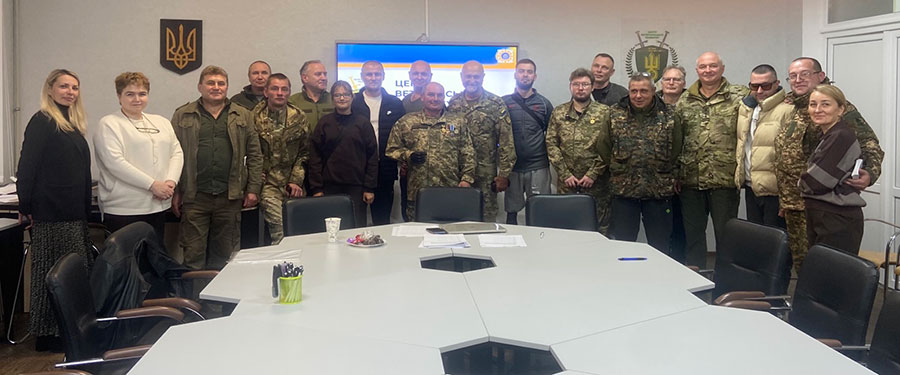
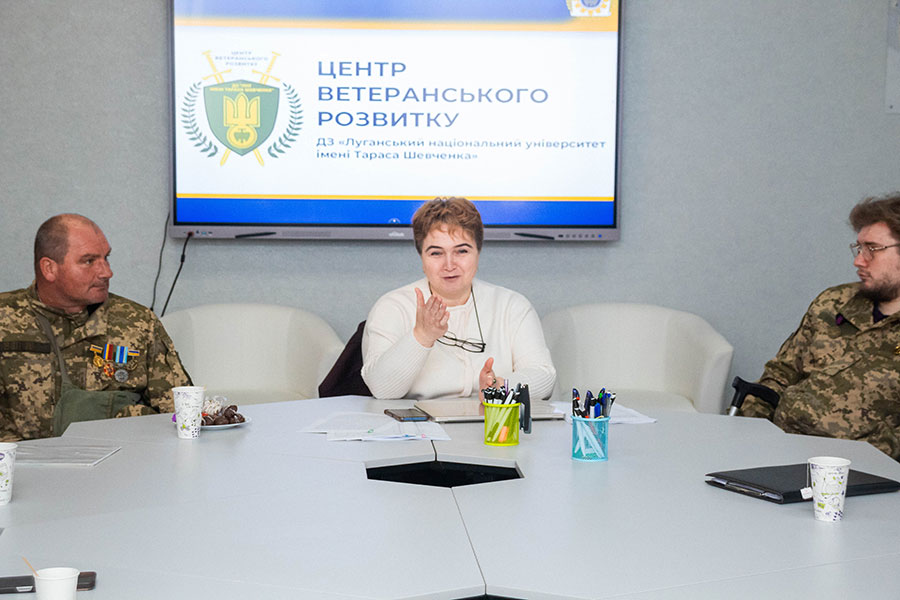
The discussion focused on the “Transfer of Military Experience” methodology. The team is developing it to explore how veterans, both women and men, can apply skills gained during military service in civilian settings. These skills include coordinating a team, making decisions under uncertainty and adjusting plans when circumstances change. In their communities, veterans can draw on these skills to organise volunteer initiatives, assign roles within a team or work towards a shared solution with people who hold different views.
The methodology covers three areas of competence. These are crisis management, building resilient teams and adaptive leadership. The roundtable gives the team a basis for comparing the proposed competencies with veterans’ own experiences, assessing how clearly the competencies are described and identifying barriers that could make these skills harder to apply in civilian life. In discussing and analysing these issues, the team also considered what opportunities the community offers, including whether participants can choose their roles, propose solutions and influence how the group works.
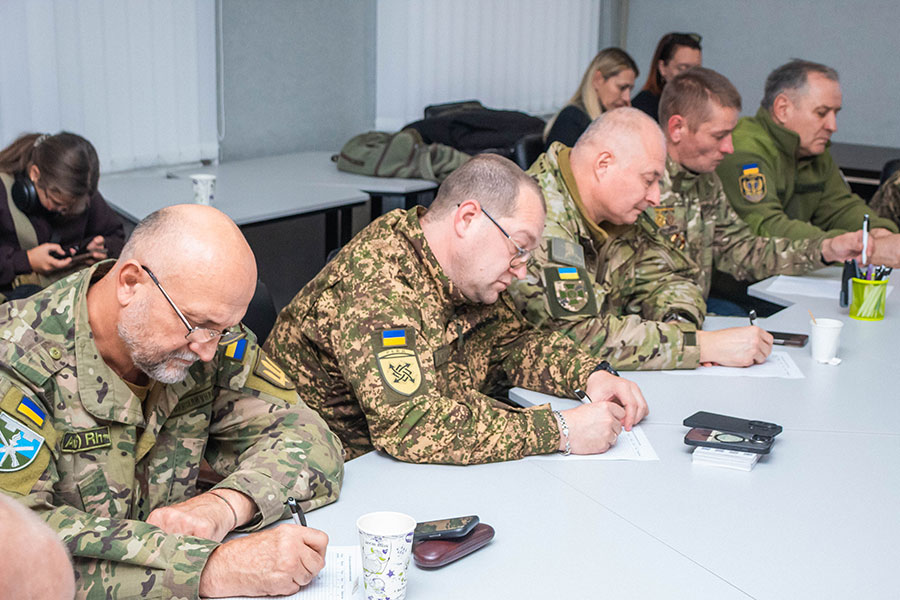
As part of the study’s psychological component, Liliia Chernovska supervised an initial survey of participants during the roundtable. Participation in the survey is voluntary, and responses may help describe participants’ characteristics at the start of the study. The methodology requires individual responses to be kept confidential and results to be published in anonymised, aggregate form.
The next steps are to refine the research materials and pilot the procedure. The team will assess how clear the instructions are, how accessible the tasks are and whether the simulated scenarios allow researchers to observe specific actions. For the baseline assessment, participants will briefly describe how confident they feel about carrying out specified actions. They will also complete a scenario-based task while researchers observe what they do, and discuss their previous experience and how they might apply it.
The team plans to pilot the “Veterans as Mediators” training programme in 2027. The programme will combine mentoring, intercultural communication and practical experience in project management. Participants will try out adapted ways of using their skills while working on a joint task with a community partner. A follow-up assessment will examine whether participants use the approaches they learned after the programme ends and what conditions help them do so.
The project runs from 2026 to 2027 under Order No. 23 of the Ministry of Education and Science of Ukraine, dated 9 January 2026. The state registration number is 0126U002031. VETLEAD project website
Information provided by the project team