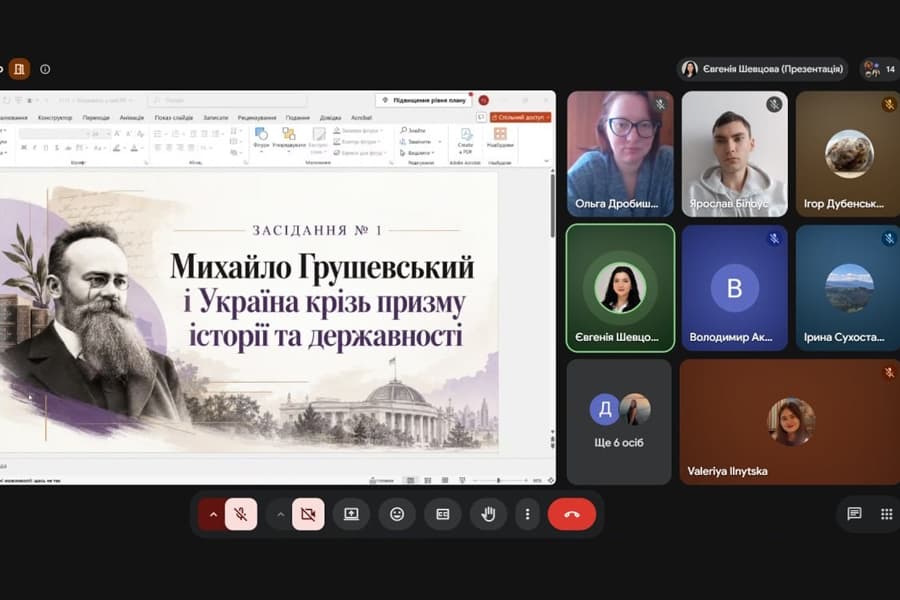
Meeting of Students with Guarantors of the Educational Programs "Secondary Education (History, Law)" and "Secondary Education (History and Civics)"
The discussion was joined by the guarantor of the EP, Candidate of Historical Sciences, Associate Professor O. A. Drobysheva and the guarantor of the OP, Doctor of Philosophy, Senior Lecturer E. S. Shevtsova. The event became an important platform for an open dialogue between applicants and the academic community, aimed at improving the quality of the educational process and forming a conscious educational trajectory of students.
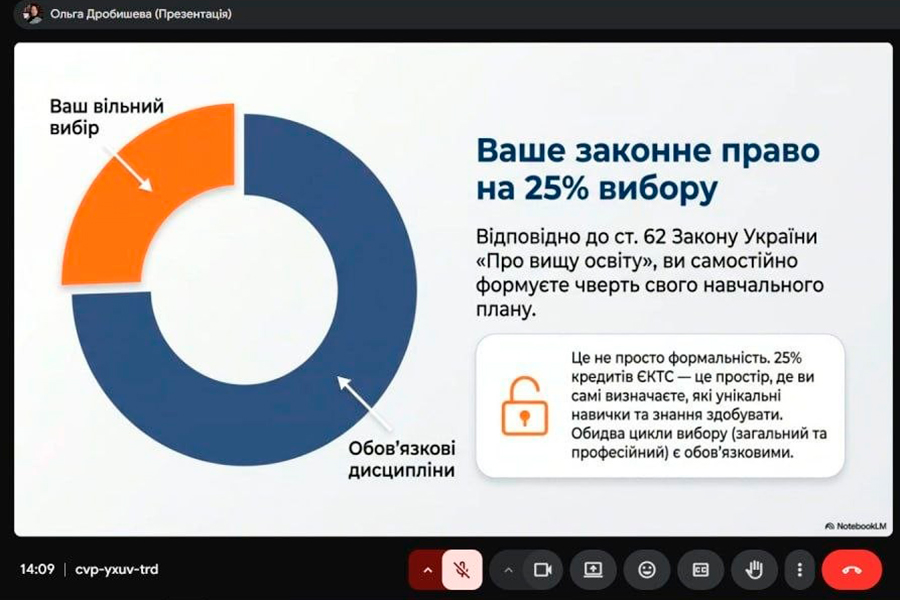
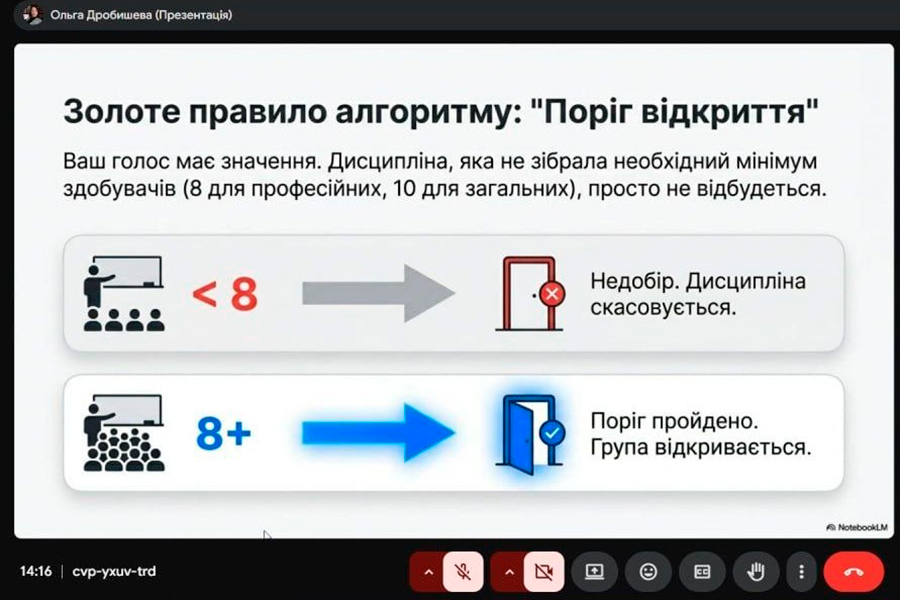
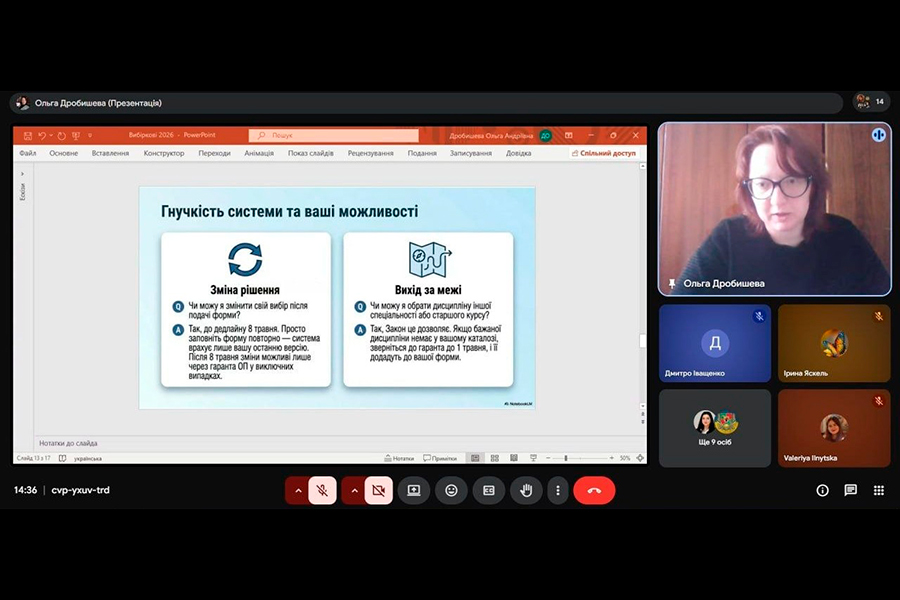
The focus of the meeting was on the issue of forming an individual educational trajectory, in particular the procedure for choosing academic disciplines. The guarantors explained in detail the mechanisms for choosing elective components, emphasizing the importance of a responsible approach by students to this process as a tool for student-centered learning and professional self-determination. It was emphasized that it is through the choice of disciplines that students can deepen their professional knowledge, expand their competencies, and adapt their studies in accordance with their own academic and scientific interests.
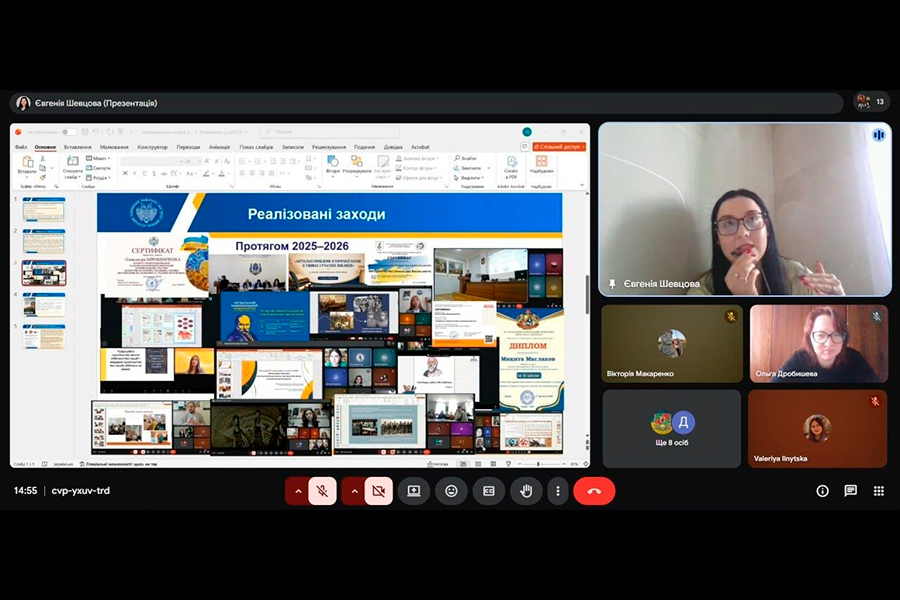
A separate block of the meeting was devoted to current events and scientific activities of the faculty. Students were informed about conferences, open lectures, workshops, and other forms of academic activity that they can join. The importance of participating in such events as a component of professional development, the development of research skills, and the formation of academic culture was emphasized.
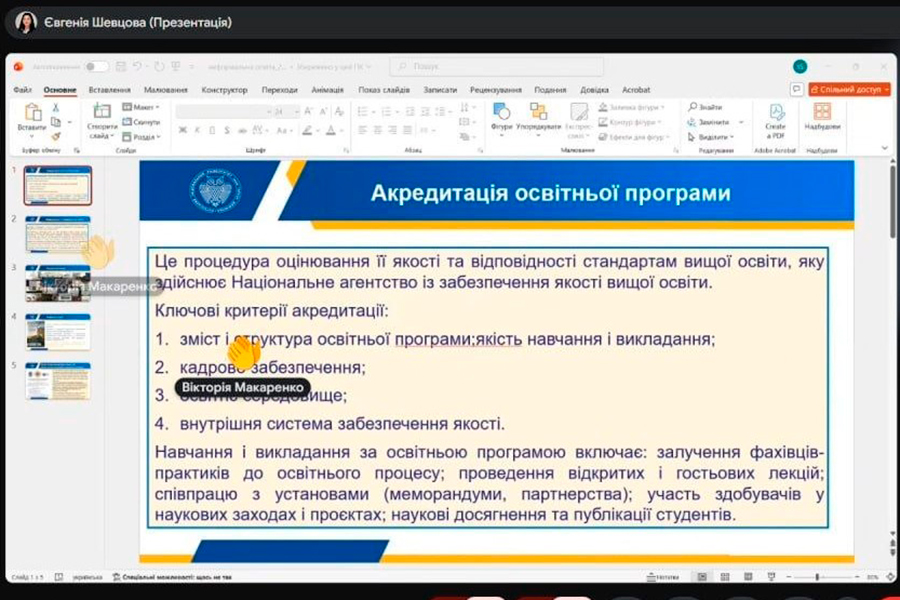
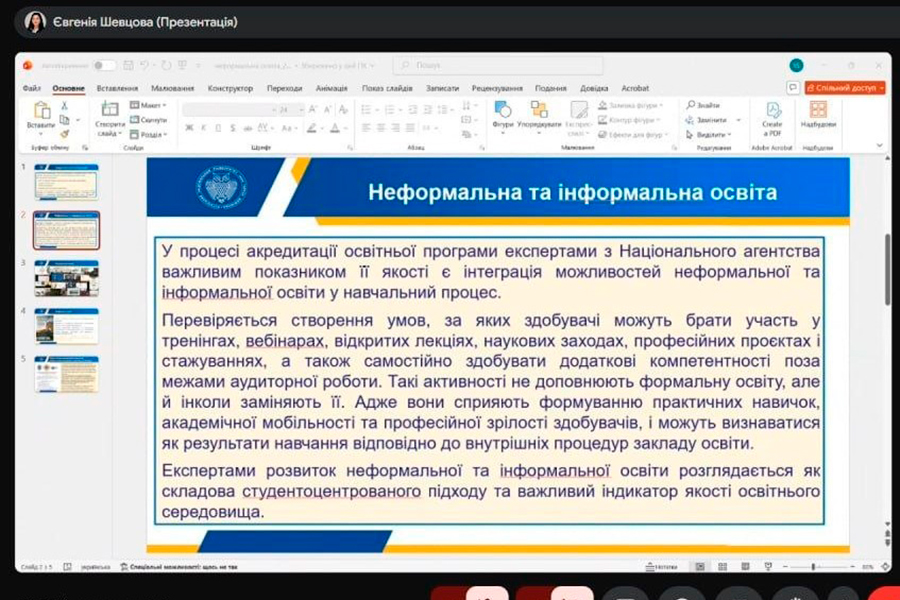
During the meeting, considerable attention was paid to the opportunities for applicants to participate in scientific activities, as well as to the issues of recognition and re-enrollment of the results of non-formal and informal education. It was emphasized that modern educational policy provides for flexibility and openness to various forms of learning, and applicants themselves are well aware of the mechanisms for enrolling results obtained outside of formal education. This creates additional opportunities for professional development, expanding educational experience, and integrating practical knowledge into the educational process.
The meeting took place in the format of a live dialogue, which allowed students to ask questions, receive comprehensive answers, and clarify the organization of the educational process. This format of communication contributes to increasing the transparency of educational activities, strengthening interaction between students and program guarantors, as well as forming a responsible attitude towards their own learning.
Holding such events is an important element of ensuring the quality of education, as it allows us to promptly respond to the requests of applicants, improve educational programs and create conditions for their comprehensive academic and professional development.
Ye. S. Shevtsova, Senior Lecturer
of the Department of History and Archaeology