VIII All-Ukrainian Conference "Luhansk Region: Local History Explorations"
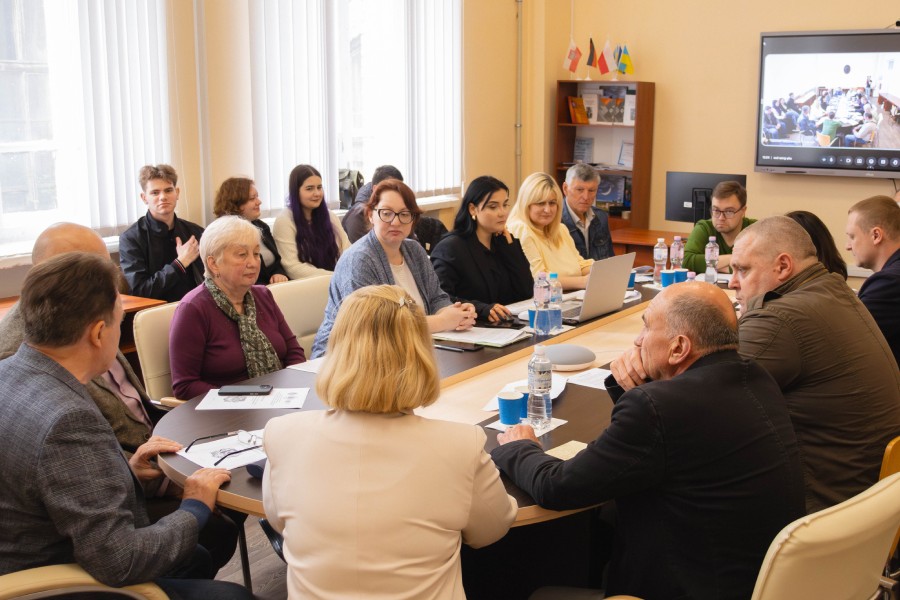
The event has traditionally become a platform for discussing topical issues of regional history, cultural heritage, museum work, decolonization of historical space and preservation of local memory in wartime.
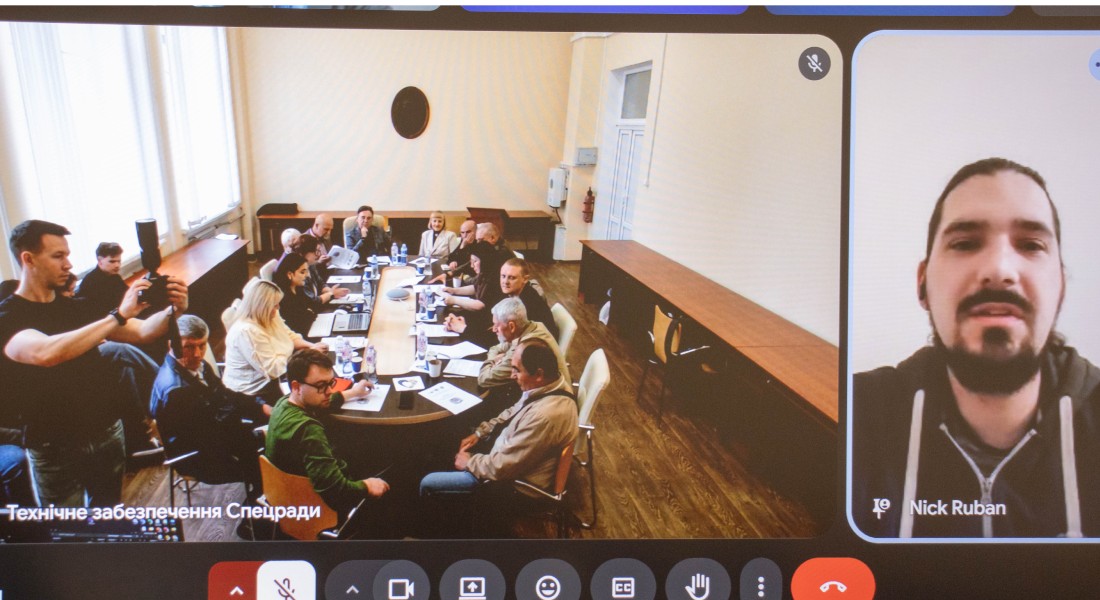
The participants were welcomed by the head of the Luhansk regional organization of the National Union of Local History Scholars of Ukraine, Vitaliii Kurylo, the rector of the university, Olena Karaman, and the chairman of the board of the NGO “Fund for the Restoration of the Railway Heritage of Ukraine” Mykola Ruban. In their speeches, they emphasized the importance of developing local history research as a component of preserving historical memory, supporting the humanitarian space of the Luhansk region, and forming interregional scientific ties.
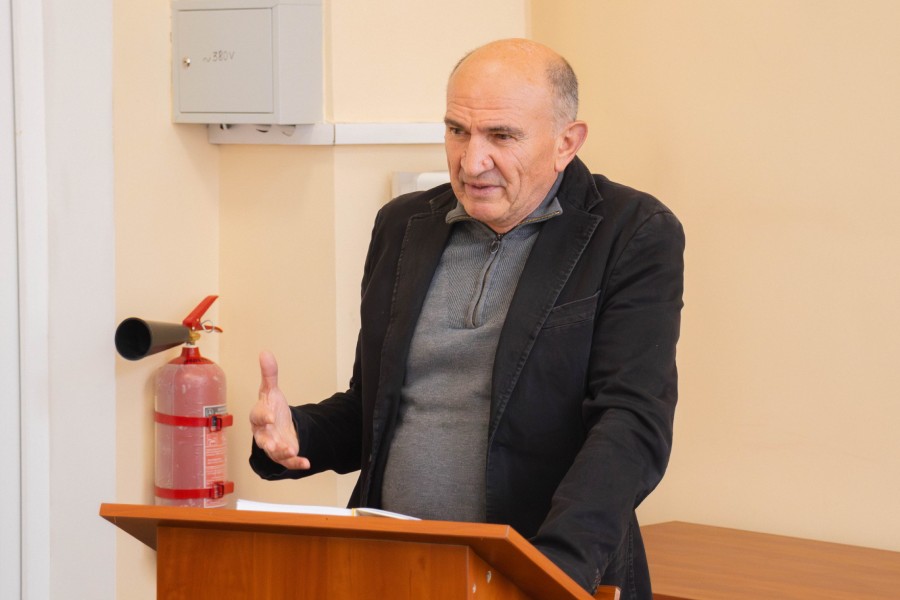
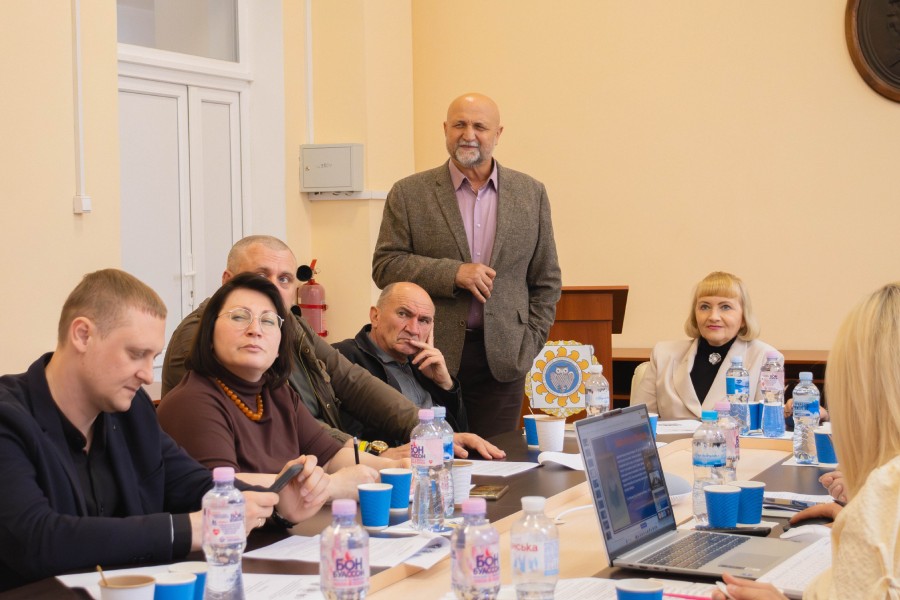
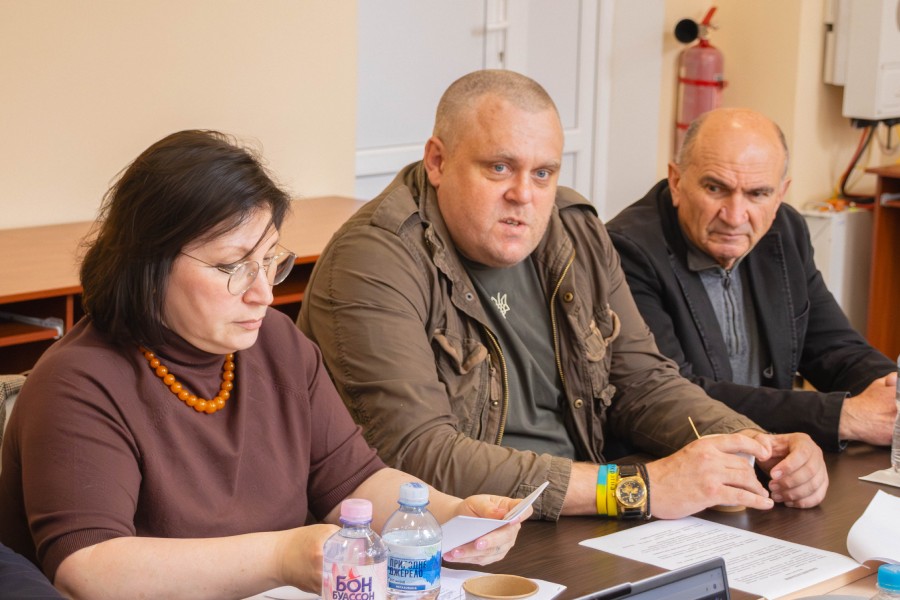
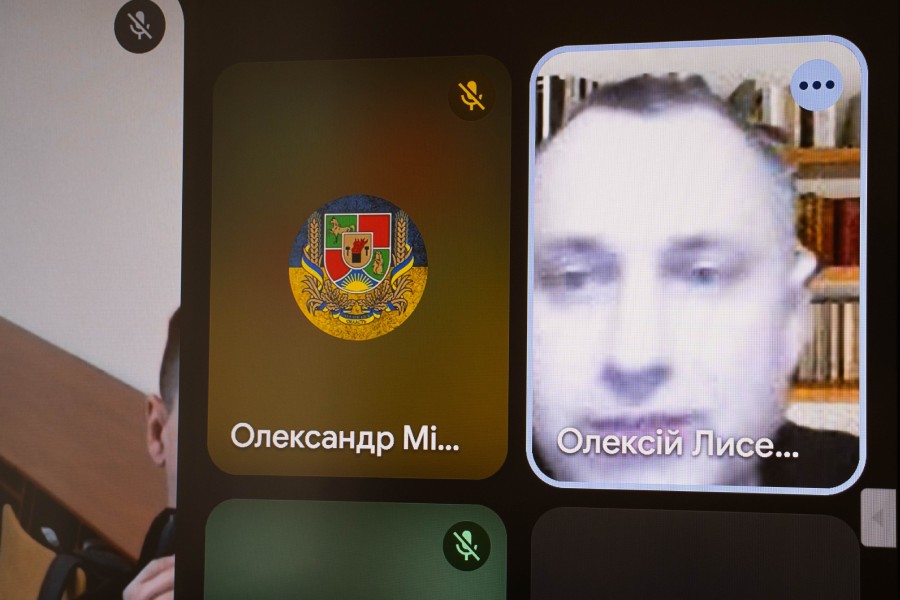
During the plenary session, reports were presented on both the history of Luhansk Oblast and the issues of local history of other regions of Ukraine. The head of the Poltava District Council, Mykhailo Kononenko, covered the history of Poltava District from ancient times to the present, the head of the separate unit of the NGO "Defense of the State" in Poltava Region, Petro Vorona, addressed the figures of Ukrainian culture associated with the village of Denysivka, and the associate professor of the Department of History and Archaeology of the University, Nani Hohokhiia, presented a study of Soviet childhood in the 1920s–1930s in Luhansk region in the memoirs of Mykola Rudenko. The participants were particularly interested in the report of Tamara Dyachenko, a researcher at the Lubny Museum of Local Lore named after Hnat Stelletskyi, dedicated to the figure of the Ukrainian embroiderer, Hero of Ukraine Vira Roik.
The work of the conference continued in a sectional format. The topics of the reports covered a wide range of problems related to the history of Luhansk Oblast and other regions of Ukraine: the history of the Ukrainian national movement, local aspects of the colonization of Slobozhanshchyna, railway and museum heritage, genealogical studies, issues of decolonization of cultural space and preservation of regional memory in wartime.
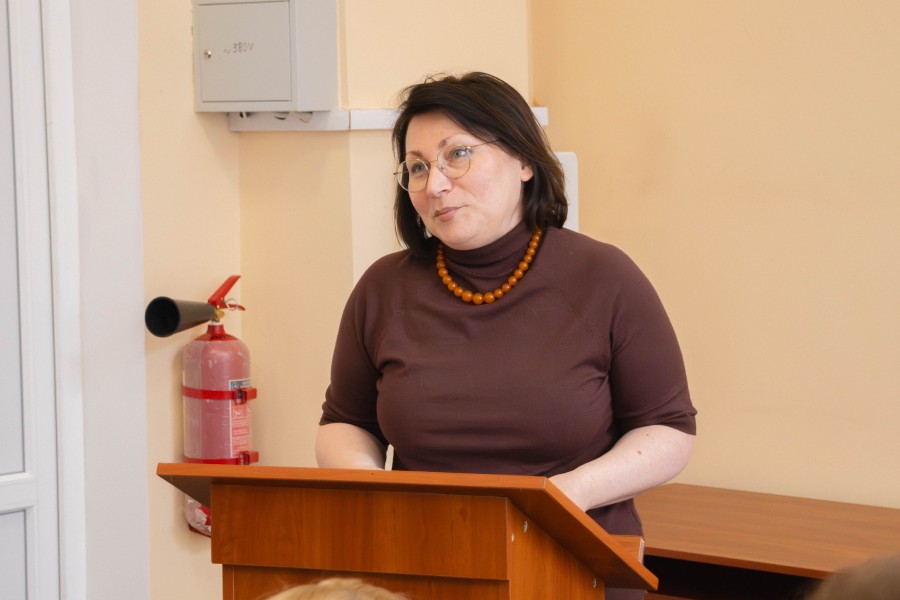
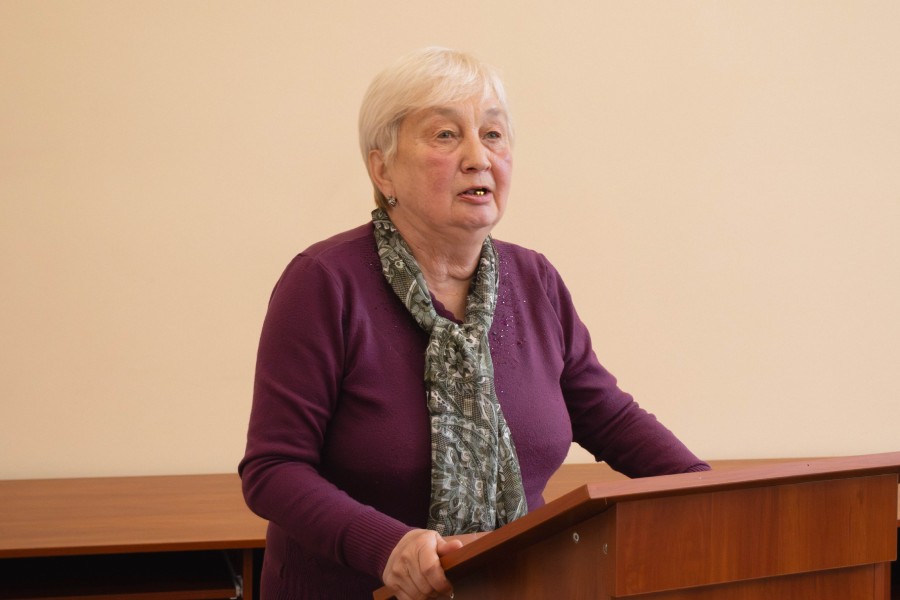
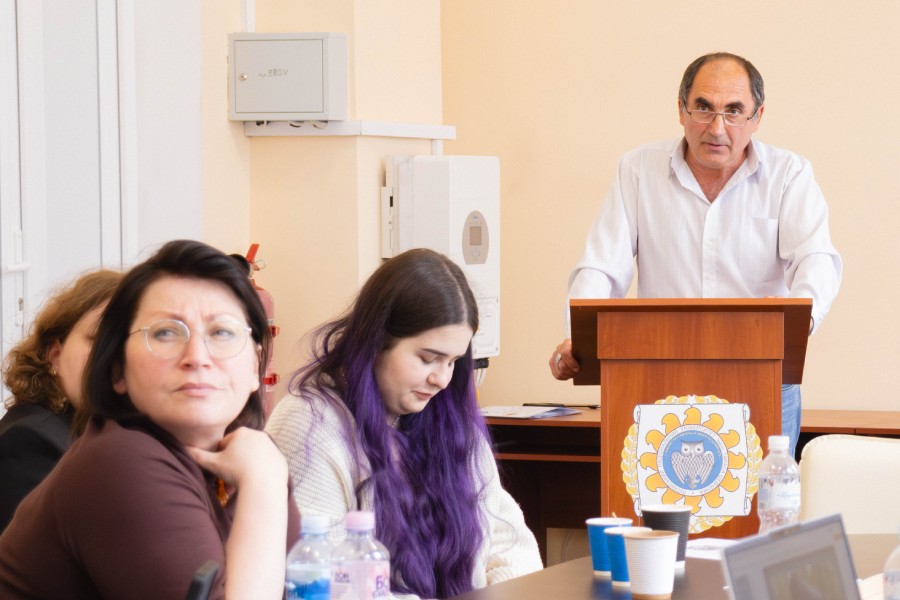
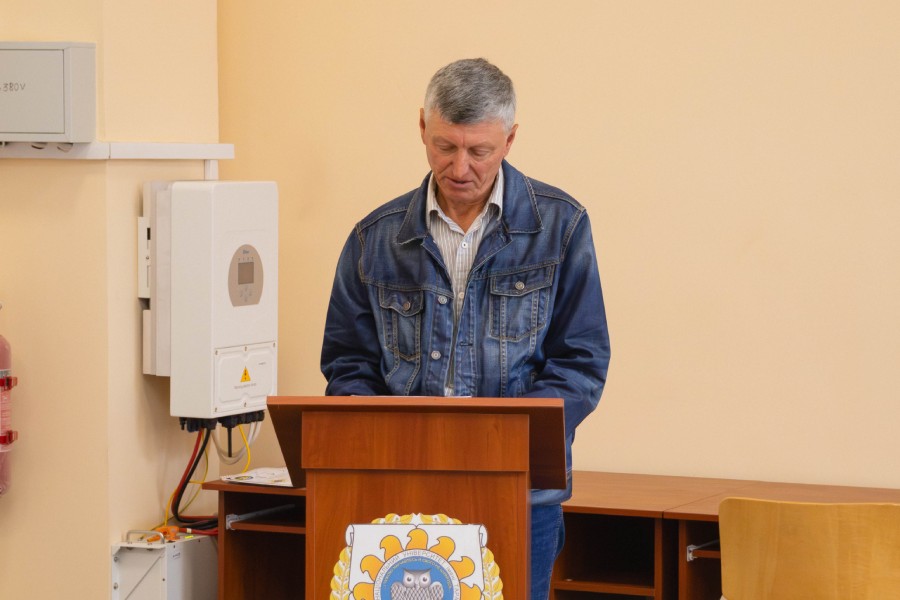
Viktor Mishchanyn, a researcher at the Research Institute of Ceramology of the National Museum-Reserve of Ukrainian Pottery, presented new materials on the history of monuments to Vladimir Lenin in Opishne, considering them as an element of the Soviet symbolic space. Independent researcher Oleksii Lysenko made a report on the original border of the Smolyaninivka land dacha, raising the issue of historical geography and land ownership in the Luhansk region. Associate Professor of the Department of History and Archaeology Mykola Taranenko addressed the issue of the participation of the Shemet brothers in the Ukrainian national liberation movement, highlighting the connection between the figures of Lubny and the processes of Ukrainian statehood at the beginning of the 20th century.
The Lecturer of the Professional College of LTSNU, local historian Oleksandr Karpenko presented a study of the Holocaust of Roma in Poltava, Luhansk and Donetsk regions in 1941–1943, drawing attention to the little-studied pages of the history of Nazi persecution of the Roma population. Associate Professor Olha Drobysheva presented a report in which she focused on the role of local public initiatives and cultural societies in the development of Ukrainian life in Luhansk region during the revolutionary era of 1917–1921. Associate Professor of the Department of History and Archaeology Yehor Brailian, in his report on Mykola Kolotii, examined the activities of one of the prominent figures of Poltava region in the 1970s–1980s and his role in the development of the region.
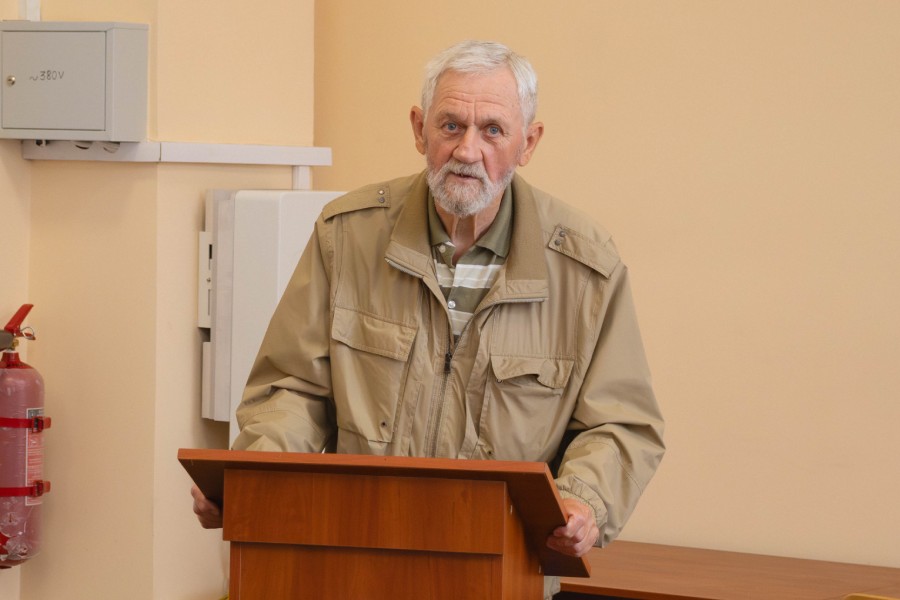
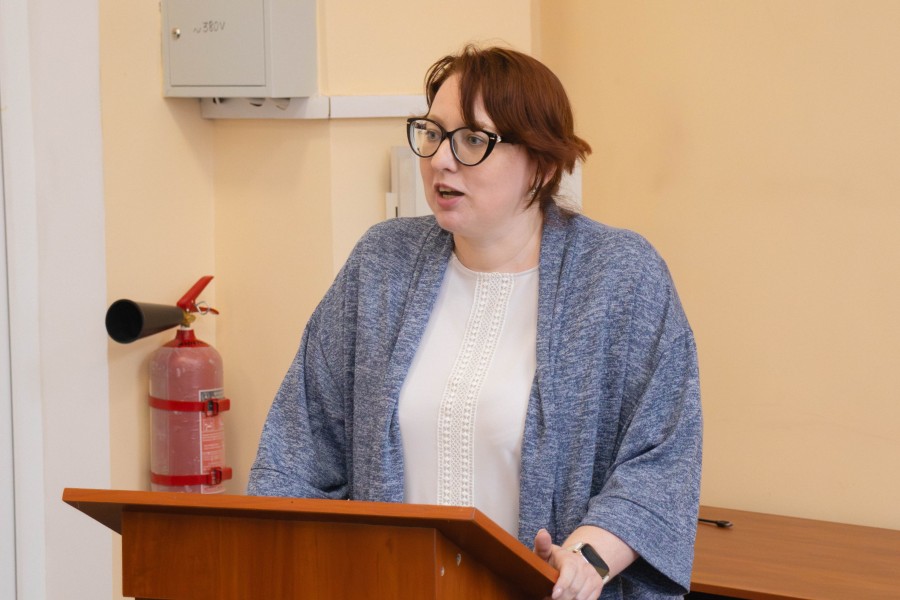
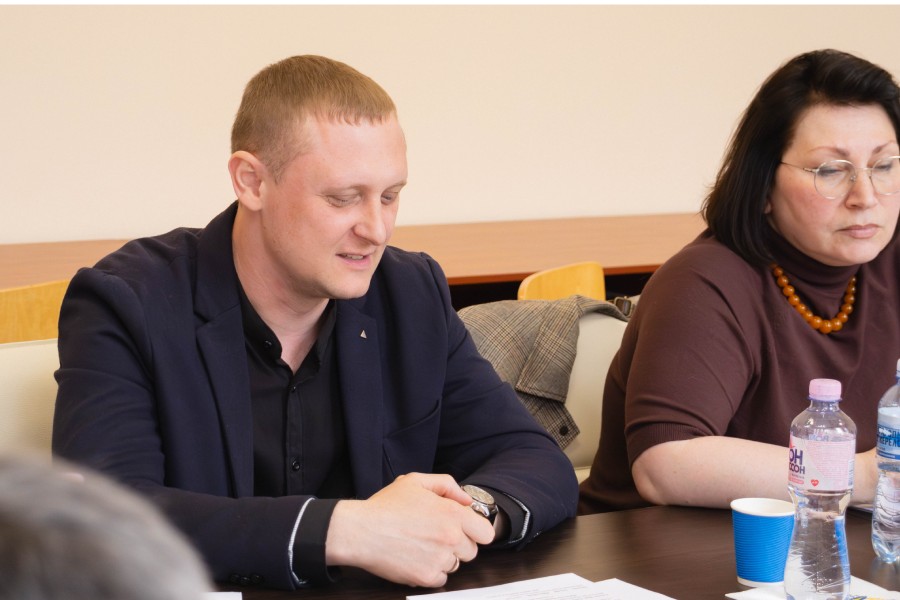
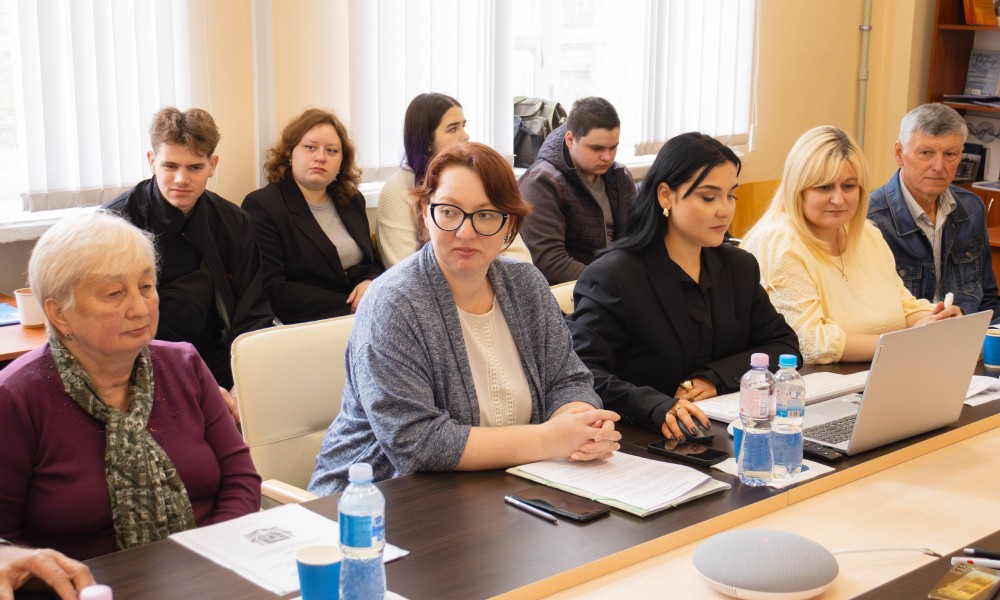
Traditionally, an important place in the conference program was occupied by the section “Local History Explorations of Young Researchers”, which became a platform for the presentation of student and pupil scientific projects. Young researchers presented works dedicated to the history of Luhansk and Poltava regions, local aspects of the Russian-Ukrainian war and historical heritage. In particular, Daniil Malytsky presented a report “Lubny Republic”, and Mykola Pronin highlighted the role of the railway infrastructure of the Dnipropetrovsk region in the development of the region.
The All-Ukrainian Scientific and Practical Conference “Luhansk Region: Local History Explorations” once again confirmed its importance as an authoritative scientific platform for the development of Ukrainian local history, support for interregional scientific dialogue and preservation of the scientific presence of Luhansk region in the Ukrainian humanitarian space. In conditions of war and temporary occupation of the region, such measures are of particular importance for supporting regional historical memory, developing humanitarian ties, and preserving the intellectual continuity of the Luhansk region.
According to the FSHS