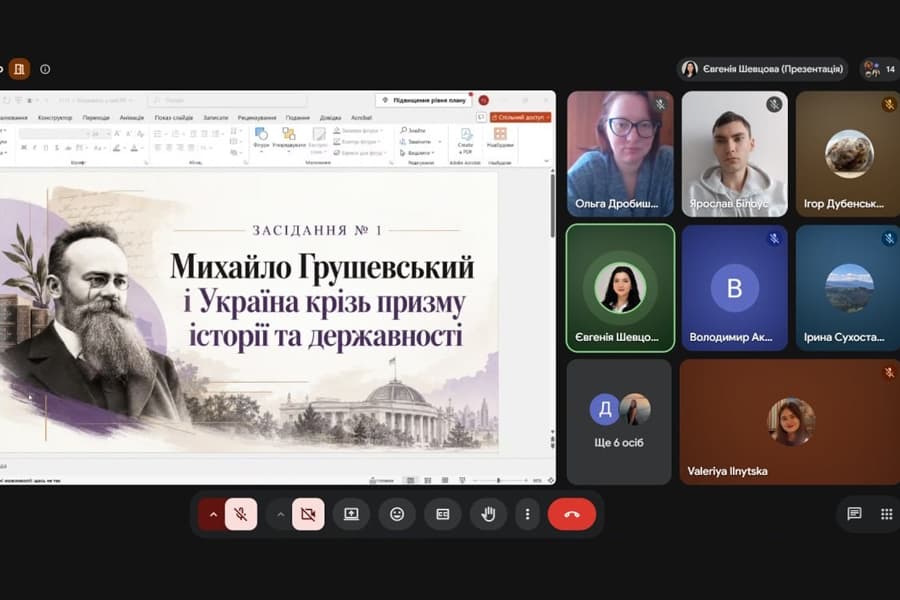
Participation in Day Two of the “Youth Driving Change” Forum
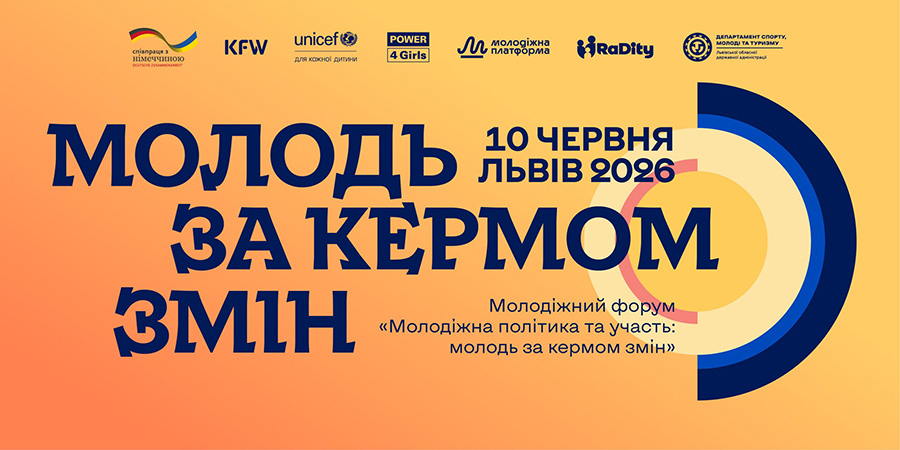
On 10 June 2026, lecturers and students of the Social Pedagogy Department of Luhansk Taras Shevchenko National University continued their participation in the second day of the “Youth Driving Change” Forum, held in Lviv as part of the “Youth Participation and Policy” project.
The participation in the forum was a result of the Social Pedagogy Department's involvement in the project “Youth Participation and Policy: Strengthening Youth Engagement, Governance, Budgeting and Life Skills Development in the Lviv, Volyn and Zakarpattia Regions”, implemented by the NGO “Youth Platform” with the support of UNICEF and funded by the Government of Germany through the German Development Bank (KfW).
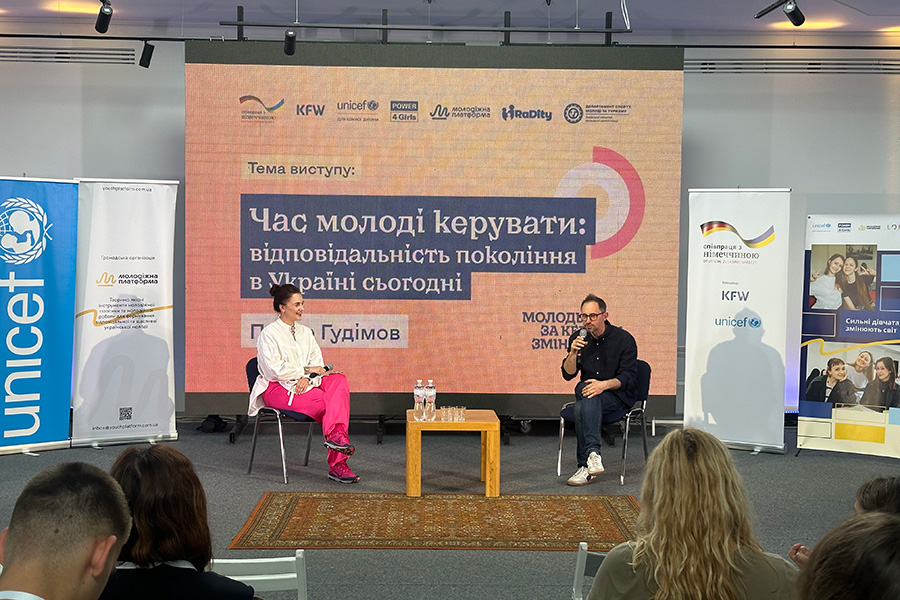
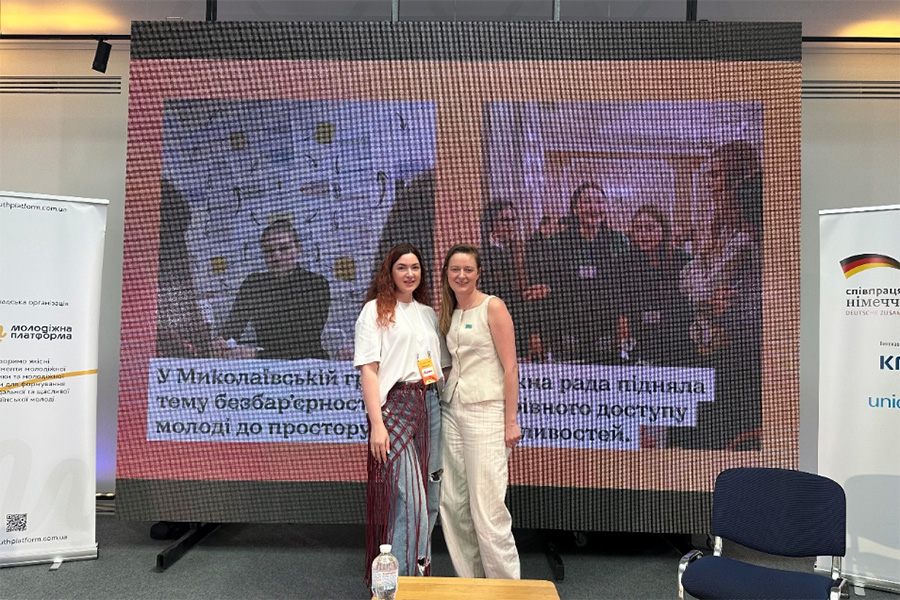
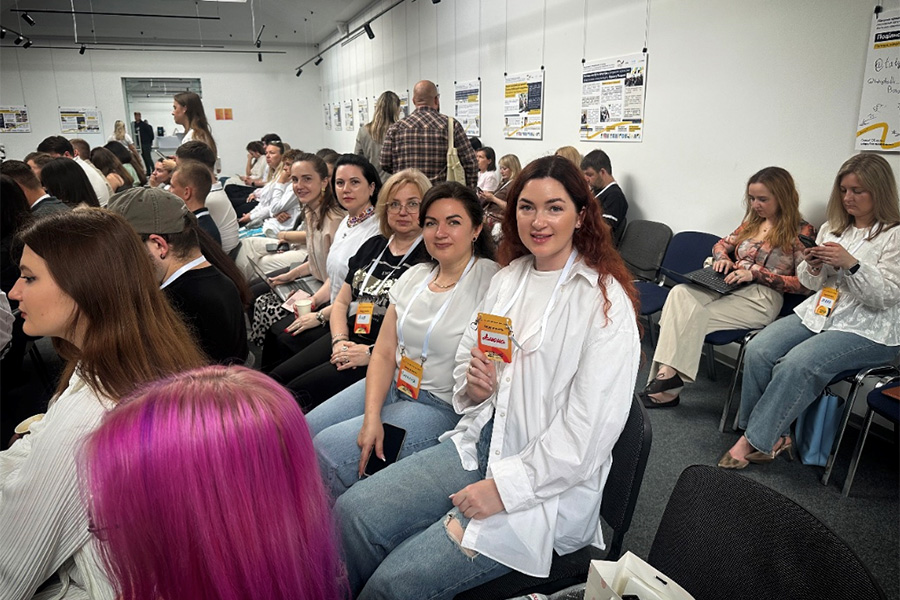
The programme of the second day was dedicated to summarising the project’s implementation results, sharing successful practices, and shaping a vision for the further development of youth policy in Ukraine. Participants joined a series of TEDx-style presentations, during which successful cases of youth centre development, mechanisms for engaging young people in decision-making processes, advocacy initiatives, women’s leadership, and inclusivity were presented.
A particularly valuable opportunity for the university representatives was the chance to present their own achievements gained through studying the course “Youth Policy and Youth Work”, as well as through the implementation of the grant-funded research project “Socio-Psychological Factors of Young People’s Career Self-Determination in the City of Lubny under Conditions of Uncertainty: Needs, Barriers and Support Mechanisms.” Participants shared their experience of conducting the research, the specifics of organising the field data collection stage, cooperation with young people in the community, and the initial findings regarding the career self-determination of senior secondary school students.
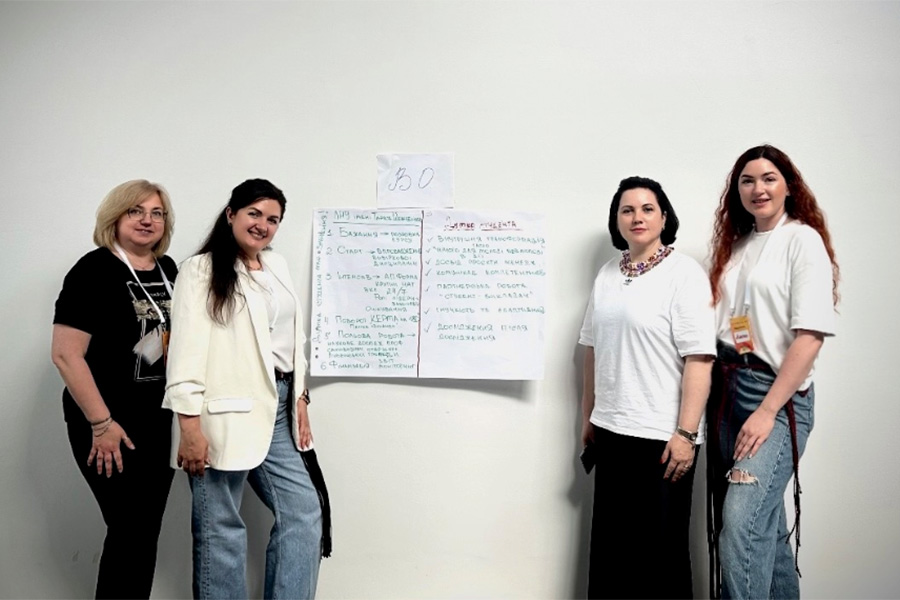
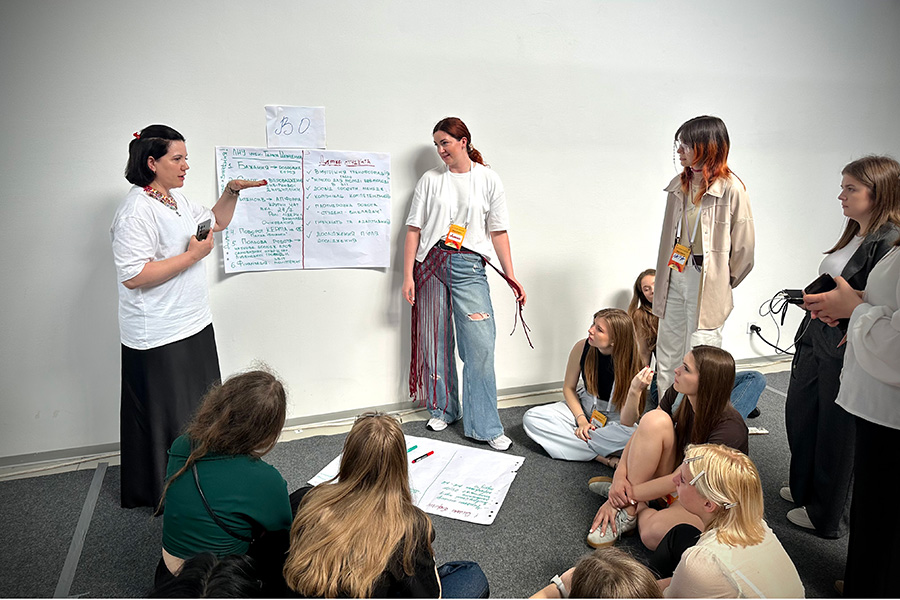
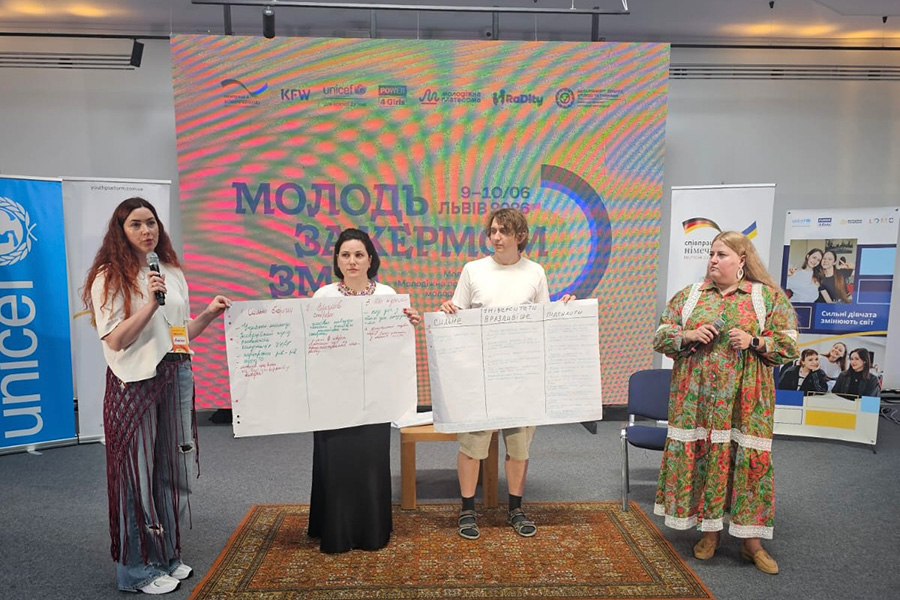
Within the framework of the cooperation route workshop, forum participants worked on finding effective mechanisms for interaction between young people, local self-government bodies, civil society organisations, and educational institutions. This format of work facilitated the exchange of practical experience, the development of partnerships, and the generation of new ideas for future youth initiatives.
The final stage of the forum was the foresight session “Ukraine 2027: Where Is Youth Truly in the Driver’s Seat?”, during which participants discussed prospects for the development of youth policy, the role of young people in the country’s recovery, and mechanisms for strengthening youth participation in social processes.
Participation in the final forum became an important stage in the professional development of students, enabling them to present the results of their own activities, learn from successful practices, and strengthen their understanding of the role of youth in processes of social transformation.
According to the Faculty of Pedagogy and Psychology