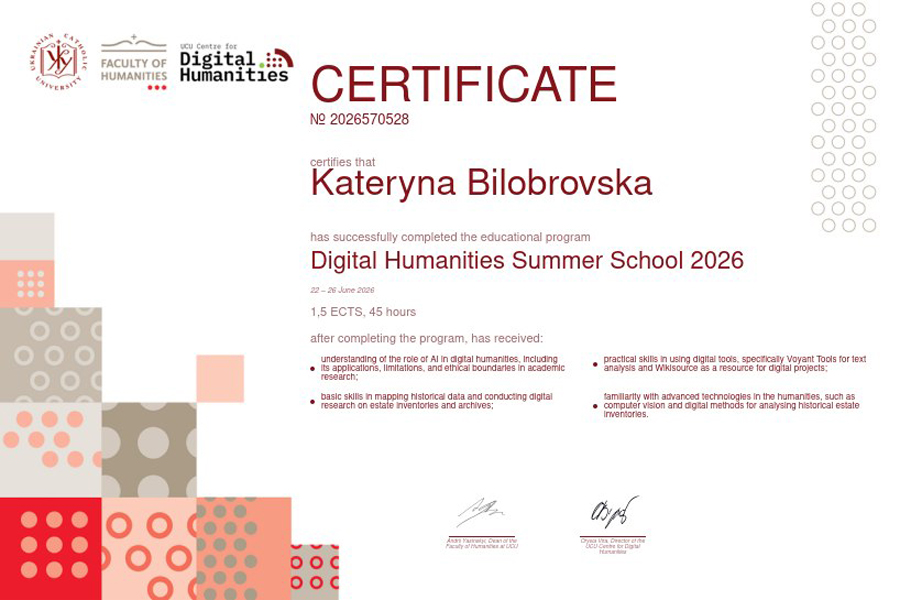
Kateryna Bilobrovska’s Participation in the Digital Humanities Summer School
The organizer was Ukrainian Catholic University (UCU Digital Humanities Center) in partnership with the Center for Urban History.
The goal of the school was to familiarize with key areas of digital humanities and provide practical skills in working with generative AI, image analysis, optical text recognition, interactive cartography, etc.
During five days of intensive classes, participants studied theoretical foundations and research methodologies, worked individually with mentors, and developed their own projects. The program combined lectures, practical classes, excursions, and networking opportunities, creating a holistic educational space for the development of digital competencies in the humanities.
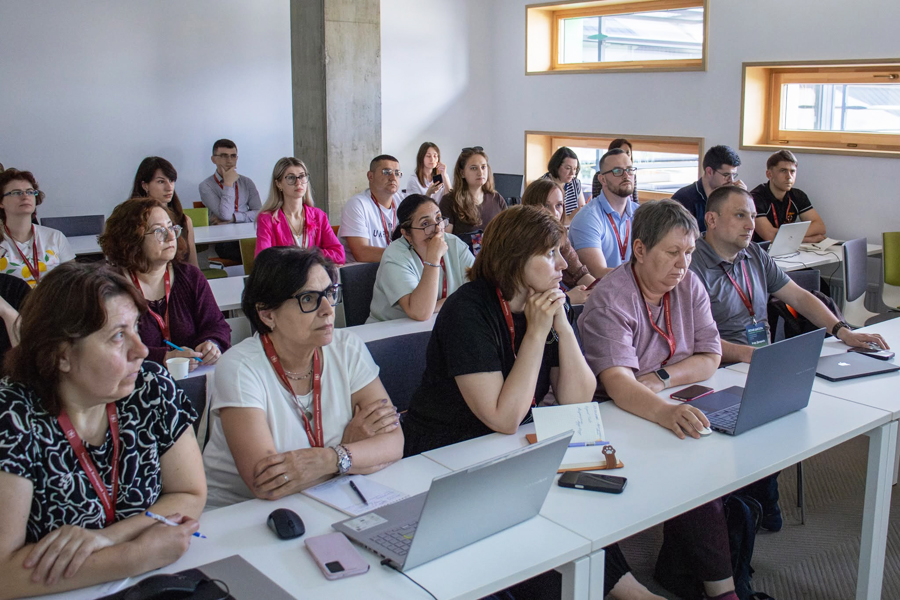
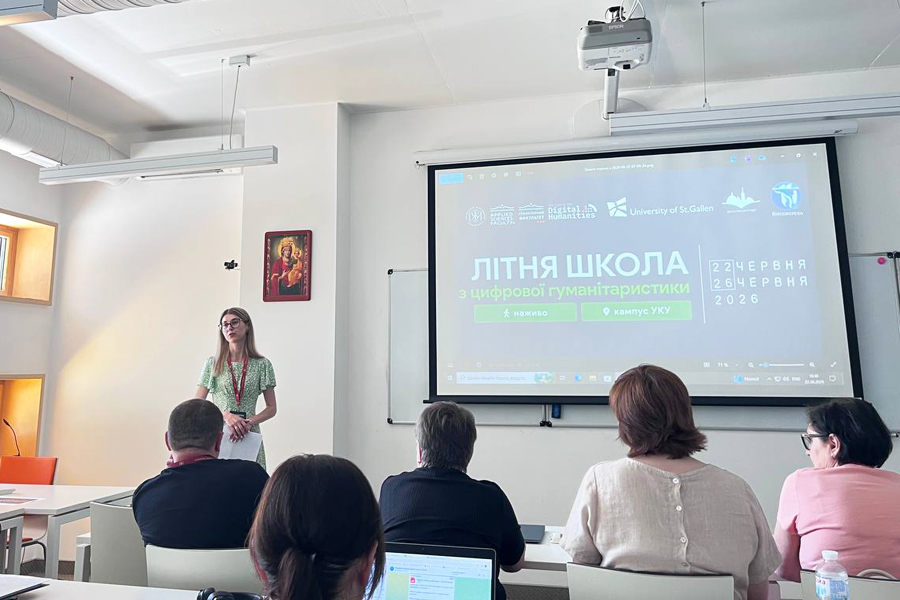
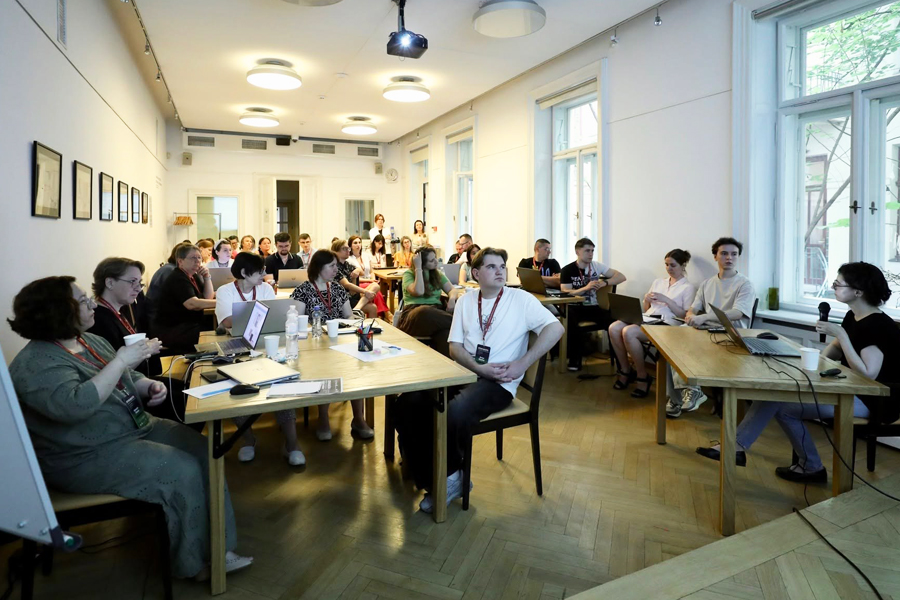
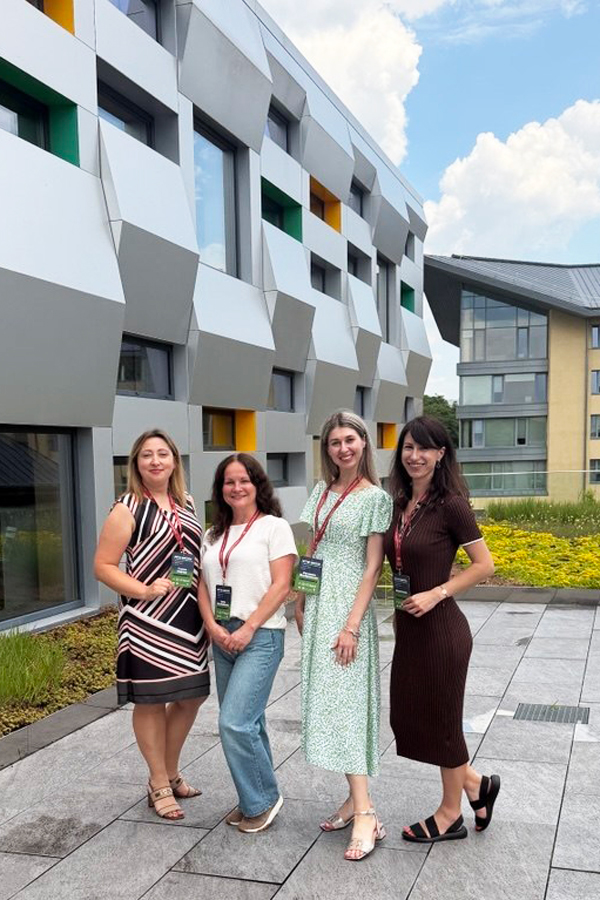
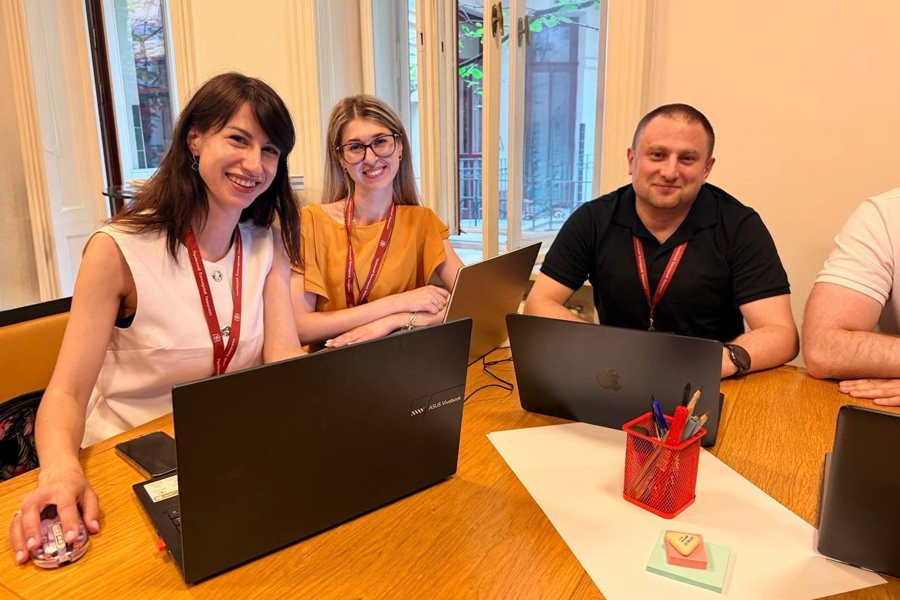
On the first day, the school participants got acquainted with the UCU space, presented their own projects in a mini-conference format, and began working with mentors. The main focus was on the topic of generative artificial intelligence: its possibilities, challenges, and ethical dilemmas.
The second day was devoted to how to transform texts into data and work with them using digital tools, as well as the possibilities of open text collections, the principles of working with digitized sources and the role of community projects in the preservation and dissemination of cultural heritage.
During the third day, participants worked at the Center for Urban History and immersed themselves in individual projects of the Center related to the “digital” and explored the possibilities of web cartography for humanities research: from technical tools to conceptual approaches. Special attention was paid to maps and how to turn them into dynamic digital stories.
The fourth day of the summer school provided an opportunity to learn how modern computer vision technologies and digital methods help open up new opportunities for humanities research; as well as how different digital humanities approaches can be combined to digitize, process, and publish estate inventories.
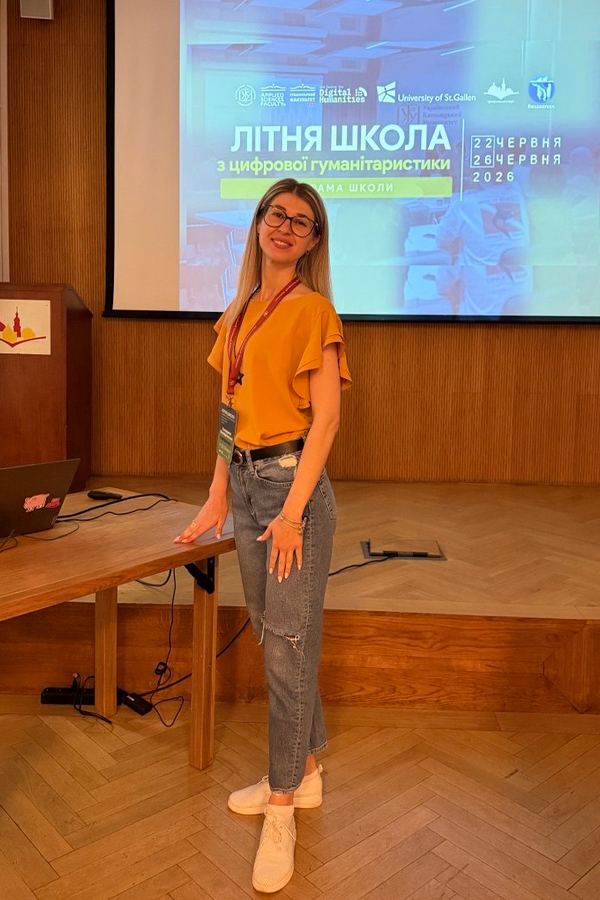
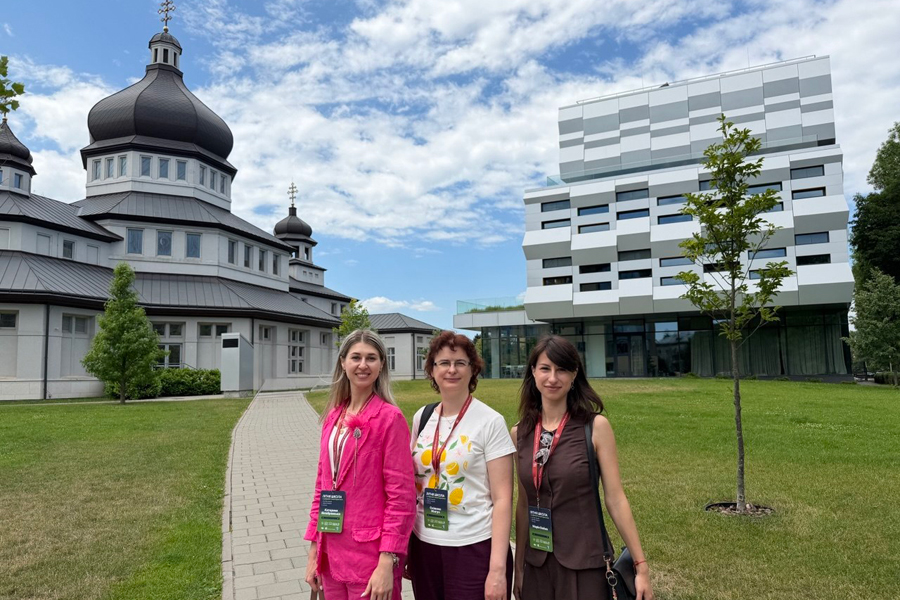
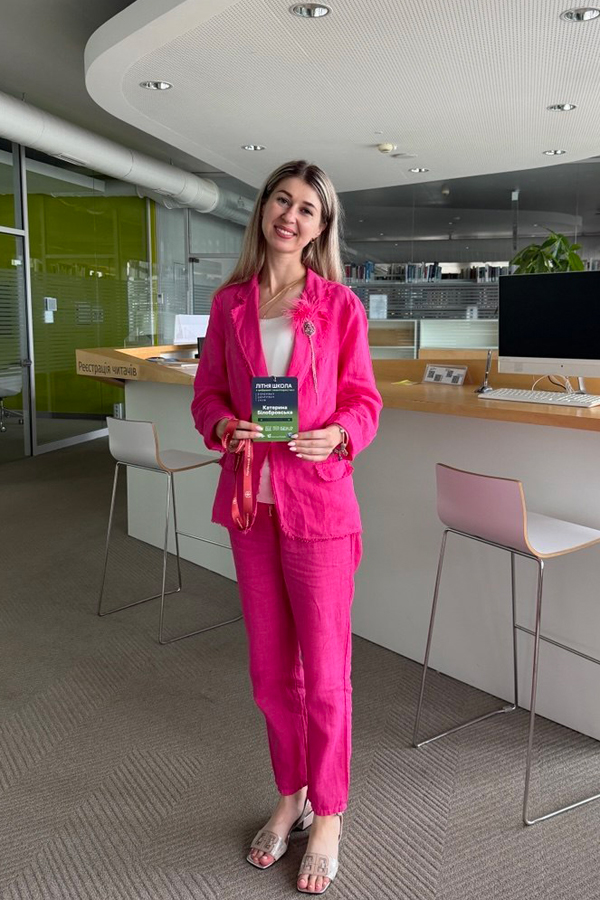
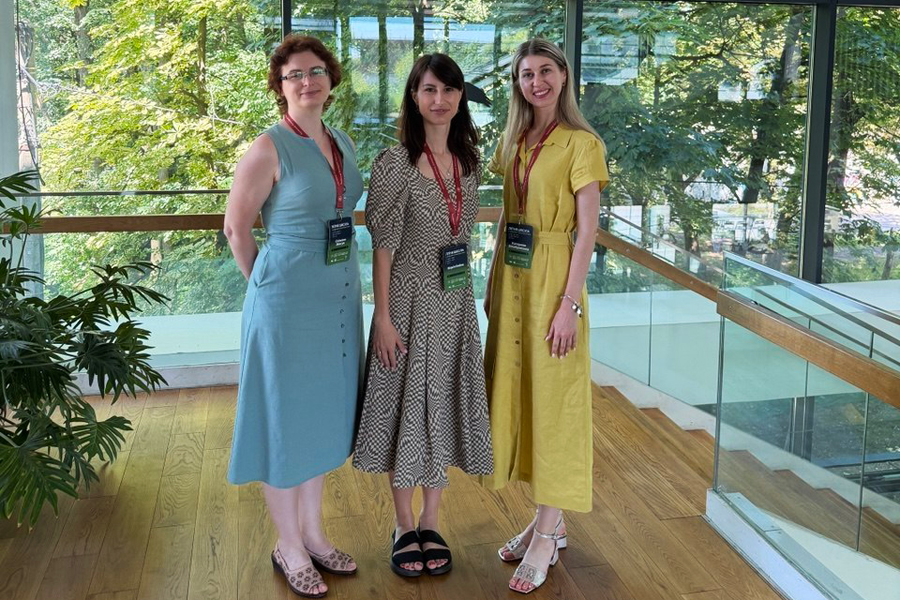
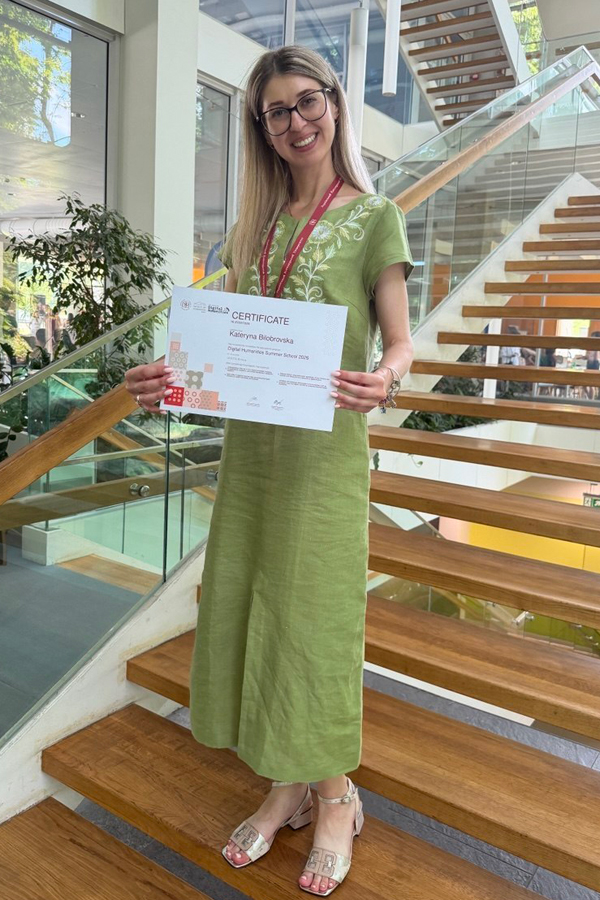
During the fifth day, participants discussed the ethical aspects of using artificial intelligence in science, academic integrity, the possibilities of new tools and the responsibility of a researcher for the results of his own work, and the prospects for the development of digital humanities in Ukraine.
As a result of the summer school, the following competencies were acquired – digital skills in the humanities, in particular:
– analytical thinking and the ability to apply digital methods to research humanitarian issues;
– skills in developing and presenting research or creative projects in digital format;
– the ability to work in an interdisciplinary environment, collaborate with mentors and colleagues;
– communication and presentation skills, in particular – in a digital environment.
In addition to practical work, the program included lectures and workshops from leading researchers and practitioners in the field of digital humanities and AI on the following topics:
– “How to use AI in digital humanities, and when is it better not to? ” (lecturer: Oleksandr Kosovan);
– “Voyant Tool: looking at text through the prism of numbers” (lecturer: Yevhen Vorozheikin);
– “Wikisource as a resource for digital humanities” (lecturer: Nazar Kotsur);
– “Digital projects and infrastructure of the Center for Urban History” (lecturers: Roksoliana Holovata, Anastasiia Kholiavka, Oksana Avramenko);
– “Exploring and Analyzing Data”, “Mapping Data in ArcGIS” (lecturer: Vladyslav Muravskyi);
– “Computer Vision in the Humanities” (lecturer: Yaroslav Prytula);
– “The Invertarium Project: Digital Research of Estate Inventories” (lecturer: Viacheslav Tymoshchuk);
– “AI in academic research: opportunities, limits, and responsibilities” (lecturer: Tetiana Zakharchenko);
– “AI in the Humanities: results, challenges, and horizons” / “What can we ask AI? ” (lecturer: Oleksii Molchanovskyi).
The Digital Humanities Summer School at UCU is an attempt to create a space for conversation about how humanities knowledge is changing in the age of AI, what new methods are emerging today, and where the line is drawn for the responsible use of technology in research.
Foreign Languages Department,
Information Centre of the Faculty of Social and Humanitarian Sciences