SUUN 2026: International Training Module in Saarbrücken, Germany
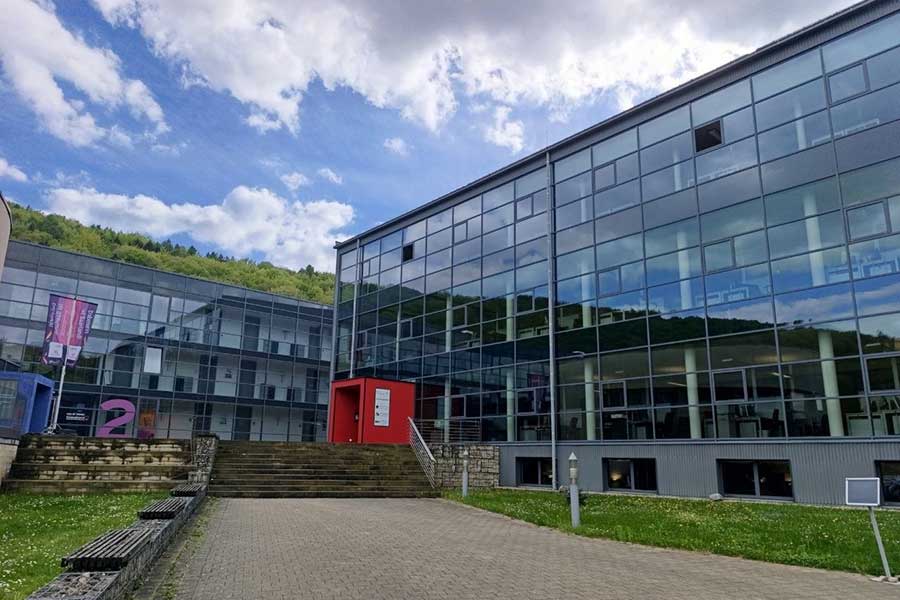
In the second half of April 2026, the international training module SUUN 2026 was held at Saarland University in Saarbrücken (Federal Republic of Germany). The module was dedicated to the development and implementation of Strategic Action Plans (SAP) aimed at strengthening the institutional capacity of higher education institutions, improving management practices, and fostering international cooperation.
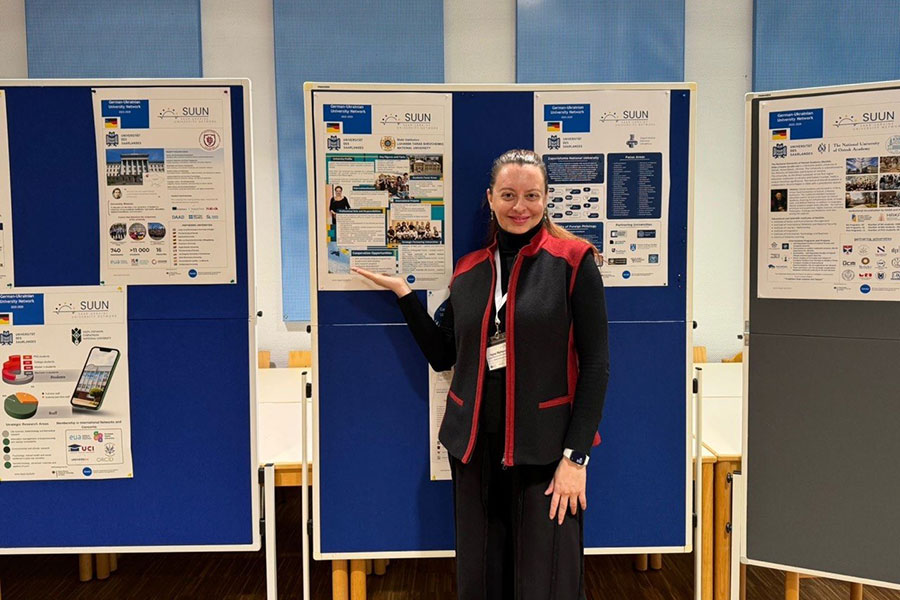
The programme combined expert lectures, practical Idea Labs, roundtables, analytical discussions, and working sessions aimed at reflecting on, refining, and practically adapting participants’ strategic plans to the realities of their own universities. Particular attention was paid to academic leadership, intercultural interaction, institutional resilience, quality assurance in education, international mobility, and the internationalisation of higher education. Luhansk Taras Shevchenko National University was represented in the programme by Iryna Myhovych, Director of the Institute of International Education and Head of the International Relations Office.
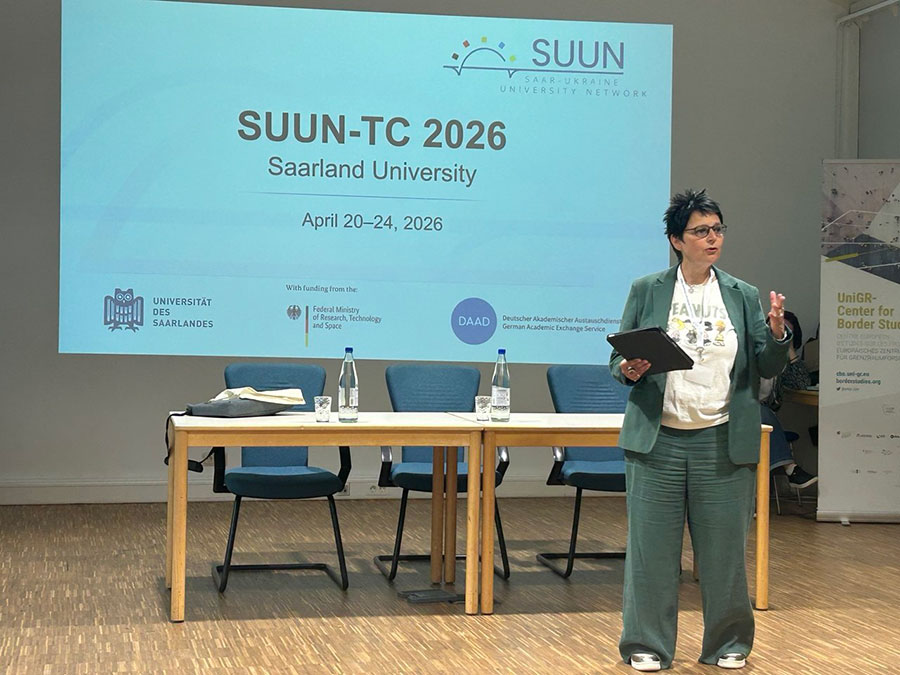
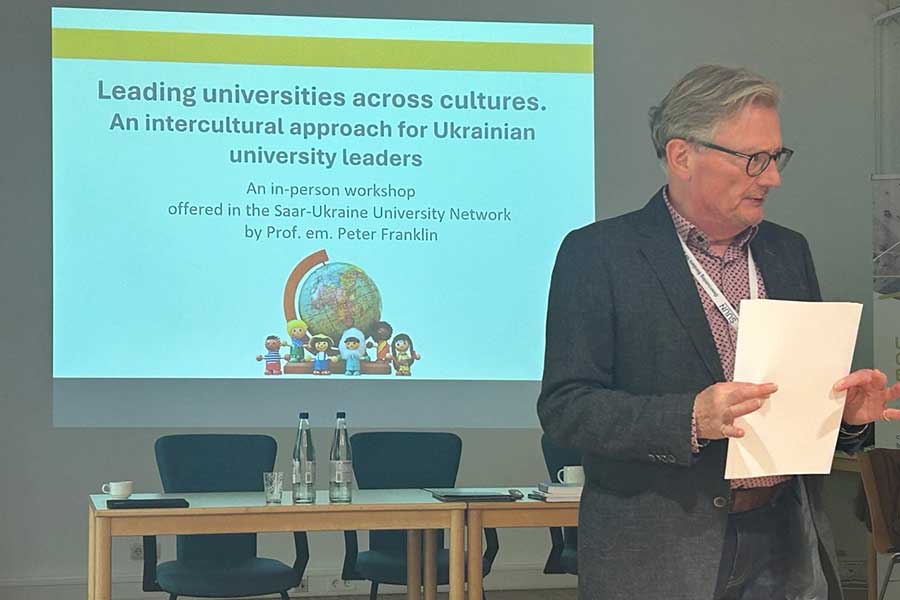
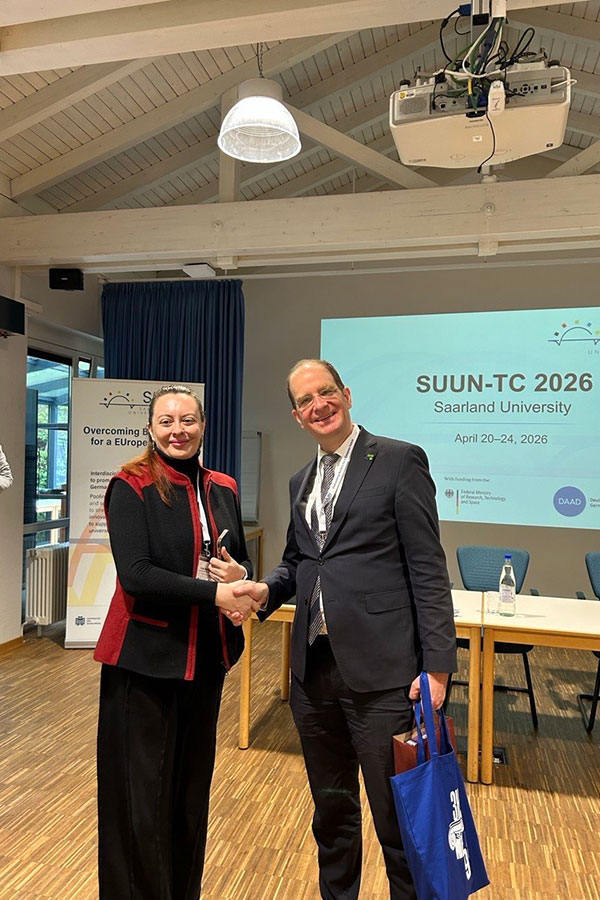
During the training module, participants analysed institutional opportunities and challenges related to implementing strategic changes and took part in the SAP Idea Lab format, where ideas were further elaborated, presented, and discussed with experts. A separate block was devoted to risk analysis in the implementation of strategic plans and the development of mitigation mechanisms, as well as to issues of quality assurance, accreditation, joint educational programmes, and the development of international university alliances.
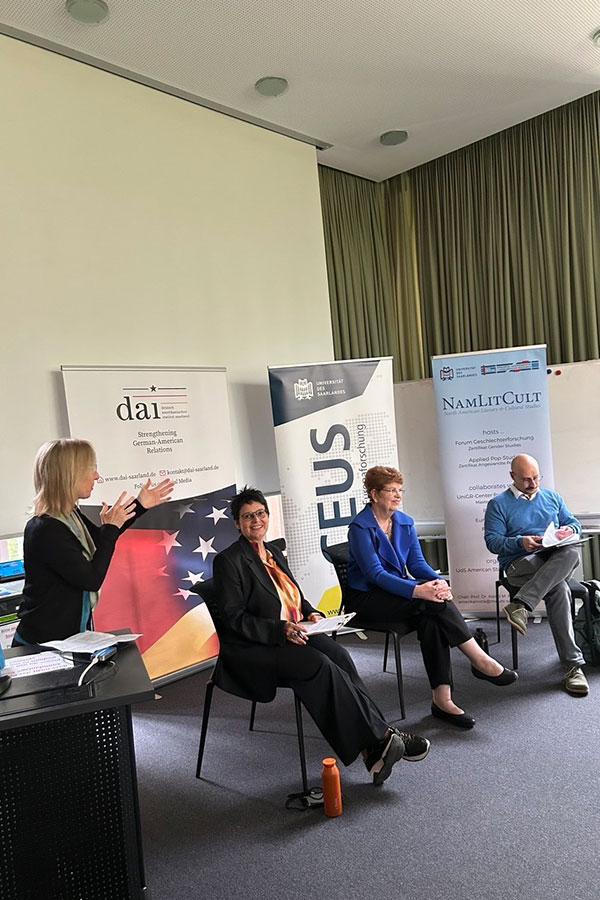
A particularly notable event was a roundtable talk with Ms. Robin Quinville, former Chargé d’Affaires ad interim of the United States of America in Germany. The event, organised in cooperation with DAI and CEUS, became a platform for open dialogue on current challenges in international diplomacy, the role of universities in shaping global leadership, academic diplomacy, and intercultural understanding.
Sessions dedicated to the internationalisation practices of Saarland University, mobility programmes, systems for supporting international partnerships, as well as quality assurance and the implementation of joint educational programmes within European university alliances, also attracted particular interest.
Participation in the programme became an important stage of professional development, a platform for international exchange of experience, and a step towards further improving the university’s strategic vision in the context of modern global challenges. The knowledge, practical tools, and professional contacts gained during the programme will contribute to the further development of the international activities of Luhansk Taras Shevchenko National University and strengthen its integration into the European educational and research area.
Provided by the International Relations Office,
Institute of International Education