University Students Visited the Medicinal Plants Research Station
On 22 September 2026, students of the Department of Landscape Gardening and Ecology at the Faculty of Natural Sciences and Agrarian Sciences of LTSNU, accompanied by Liudmyla Hlushchenko, Candidate of Biological Sciences, Senior Researcher and Associate Professor of the Department; Kateryna Berezenko, Senior Lecturer; and Tetiana Demianchuk, Senior Laboratory Assistant of the Department of Chemistry, Geography and Earth Sciences of the Faculty, visited the Medicinal Plants Research Station of the Institute of Agroecology and Environmental Management of the National Academy of Agrarian Sciences of Ukraine in the village of Berezotocha, Lubny District, Poltava Region.
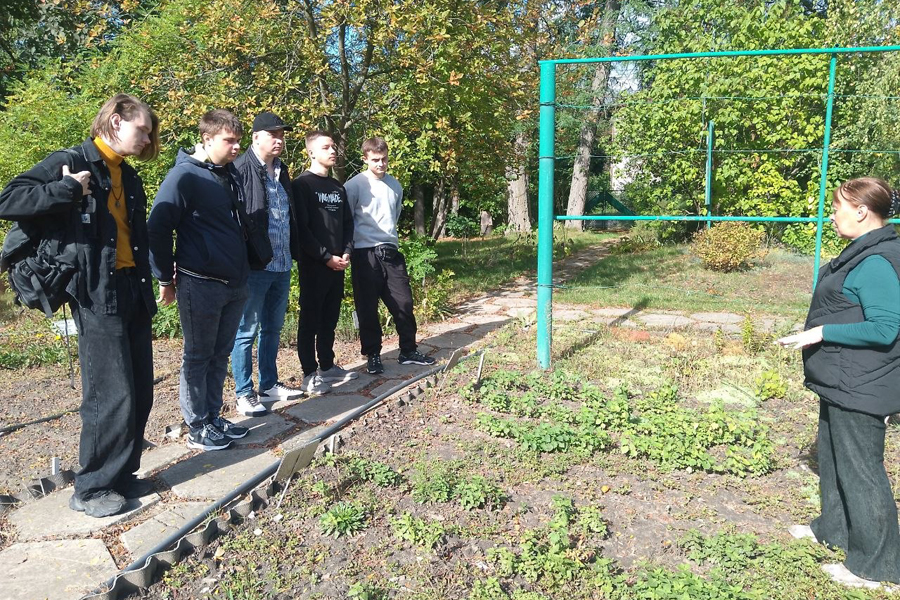
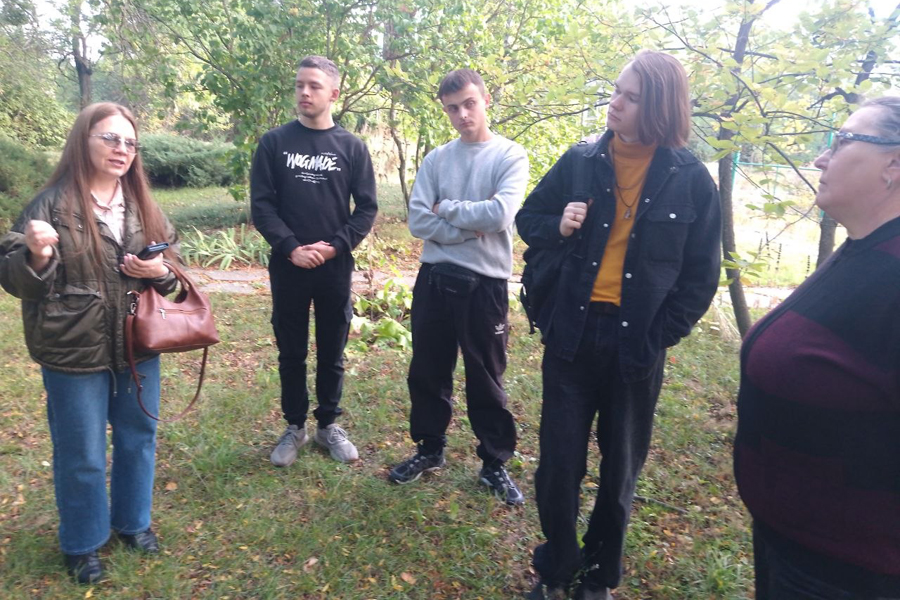
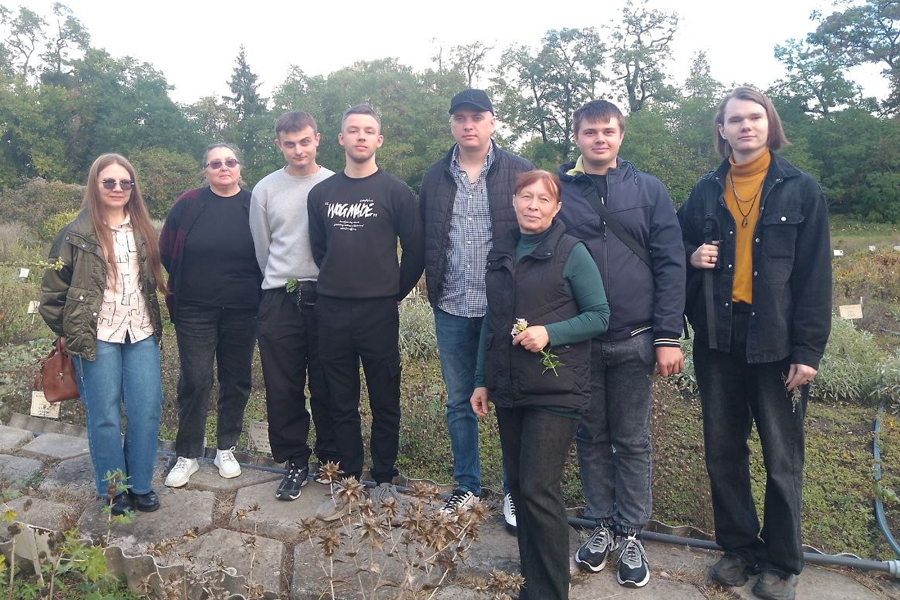
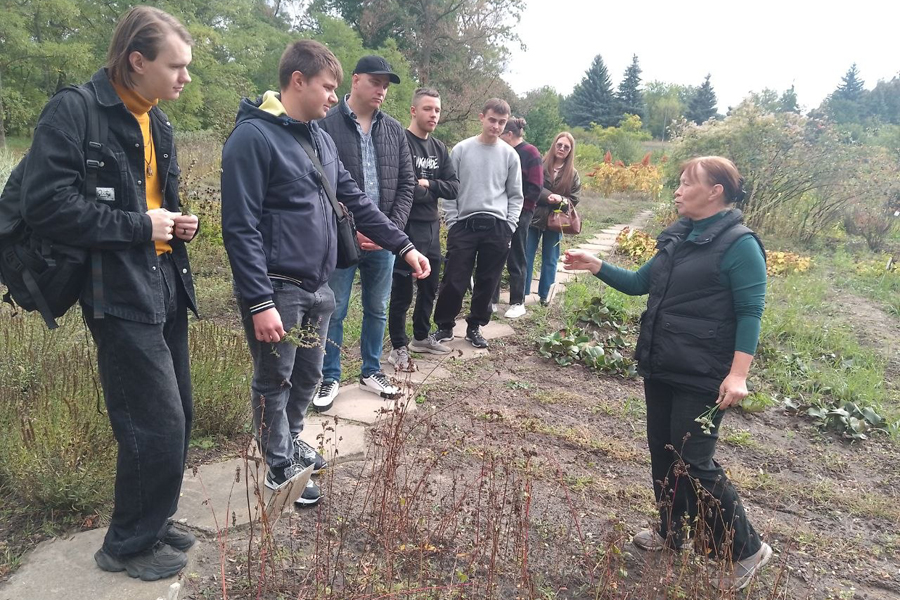

During the visit, the group met with Oleksii Ustymenko, Director of the Station, and Tetiana Shevchenko, Deputy Director for Research and Candidate of Agricultural Sciences. They introduced the students to the work of the institution, which focuses on the study, cultivation, breeding, conservation, and sustainable use of medicinal and essential-oil plants, as well as on developing a scientifically based raw-material base for medicinal crops in Ukraine.
Liudmyla Hlushchenko drew the students’ attention to one of the Station’s important areas of work — biodiversity conservation, including research into rare medicinal plant species and opportunities for their cultivation and use without depleting natural populations.
Tetiana Shevchenko led an informative educational tour of the Station’s varietal and breeding plantations. The students had the opportunity to see a wide range of medicinal crops, including hyssop, calendula, milk thistle, common horehound, dyer’s madder, valerian, purple coneflower, mint, oregano, sage, thyme, marshmallow, belladonna, caraway, and other plants.
This diversity is the result of many years of breeding work and provides a unique basis for studying the biological characteristics of plants, their adaptation, and the conservation of genetic resources.
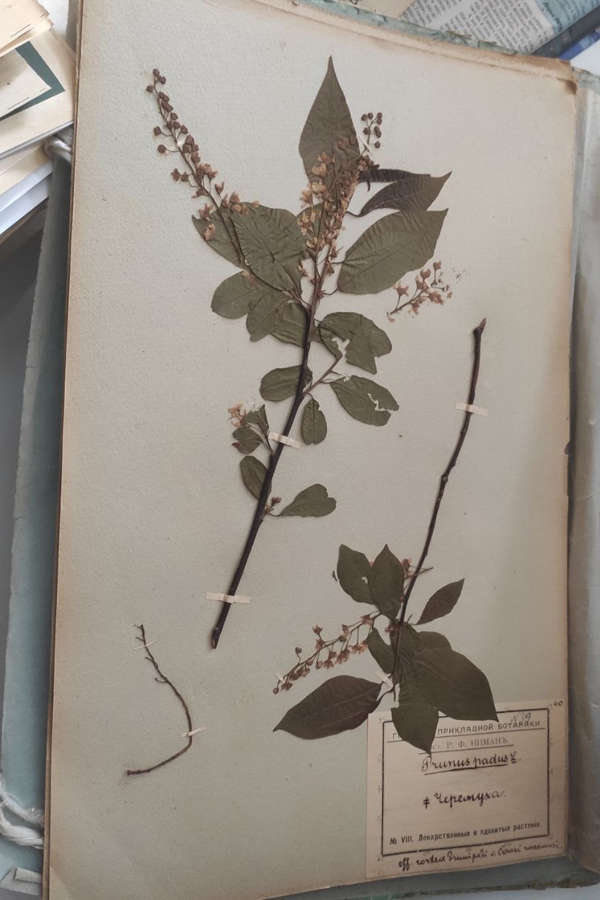
After the tour, the participants returned to the Station building, where Liudmyla Hlushchenko introduced the students to the herbarium, one of the most valuable components of the institution’s scientific resources. Its collection contains approximately 25,000 herbarium specimens. The students saw how living plant material is transformed into a scientific specimen that can be preserved for decades and serve as a source of knowledge for future generations of researchers.
The meeting concluded in a warm and friendly atmosphere with tea featuring beneficial herbal teas produced by the Medicinal Plants Research Station.
This off-campus learning experience provided students with an excellent opportunity to combine theoretical knowledge with practical experience, observe the work of researchers firsthand, and once again appreciate the importance of conserving plant diversity, researching natural resources, and treating the environment responsibly.
Marketing Department, LTSNU