A Series of In-Person Classes
On 23–25 September 2026, lecturers from the Department of Vocational Education, Restaurant and Tourism Business conducted a series of in-person classes for university students in the city of Lubny.
On 23 September, Volodymyr Kulai, Assistant Lecturer at the Department of Professional Education, Restaurant and Tourism Business, conducted a class for second-year students majoring in Professional Education (Transport) as part of the course “Organization and Road Traffic Safety.” The topic of the class was “General Provisions.” Students learned about the advantages and disadvantages of road transport, factors contributing to traffic safety, the “Driver–Vehicle–Road–Environment” (DVRE) system, and the history of the development of traffic regulations.
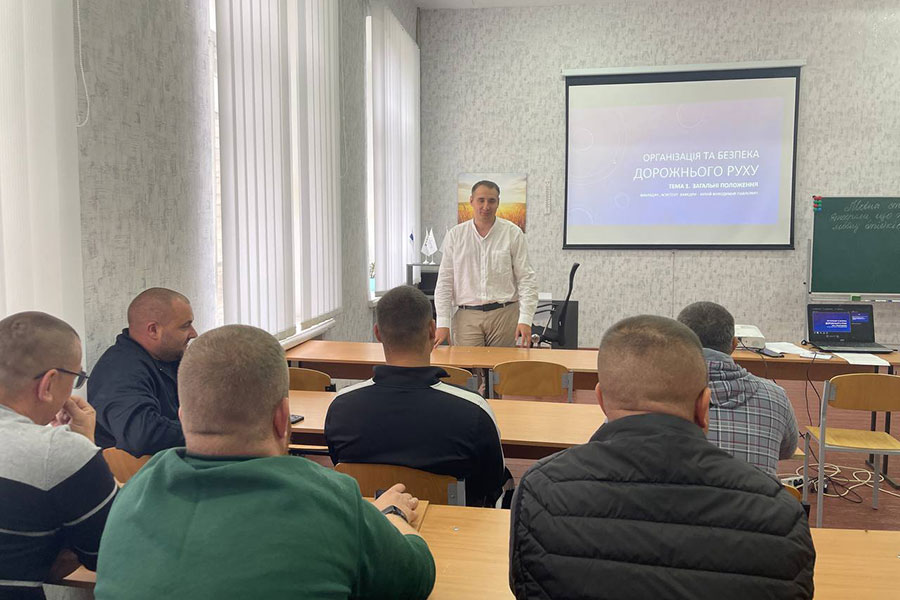
The issues covered during the class provide a foundation for further study of the discipline and its practical application in students’ future professional activities.
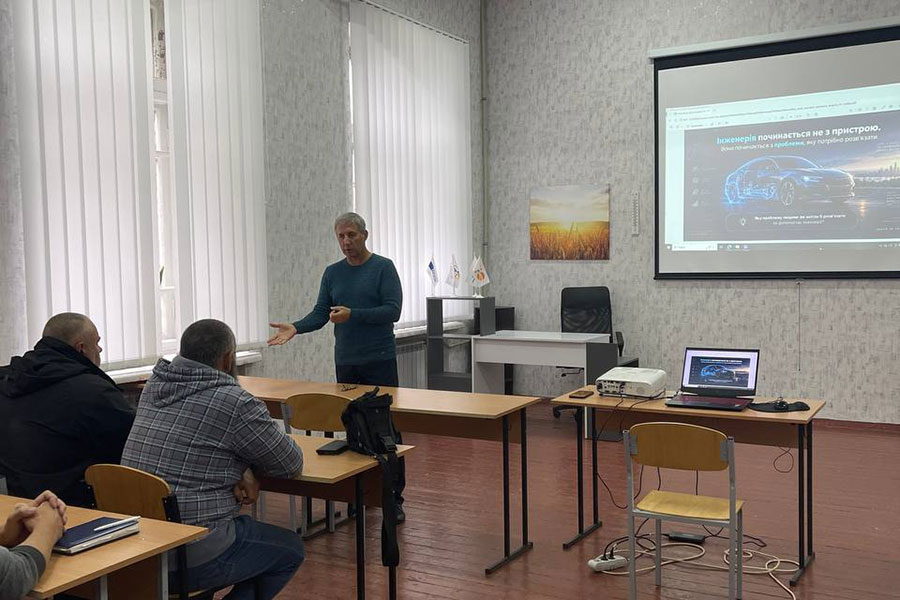
On 23–24 September, Viktor Burdun, Head of the Department of Professional Education, Restaurant and Tourism Business and Associate Professor, conducted classes for third-year students majoring in Professional Education as part of the course “Fundamentals of Engineering and Pedagogical Creativity.” The lectures focused on the most important engineering solutions in automotive design. Particular attention was paid to developments in active and passive vehicle safety. The lecturer also highlighted the contributions of women who have played a role in improving vehicle design.
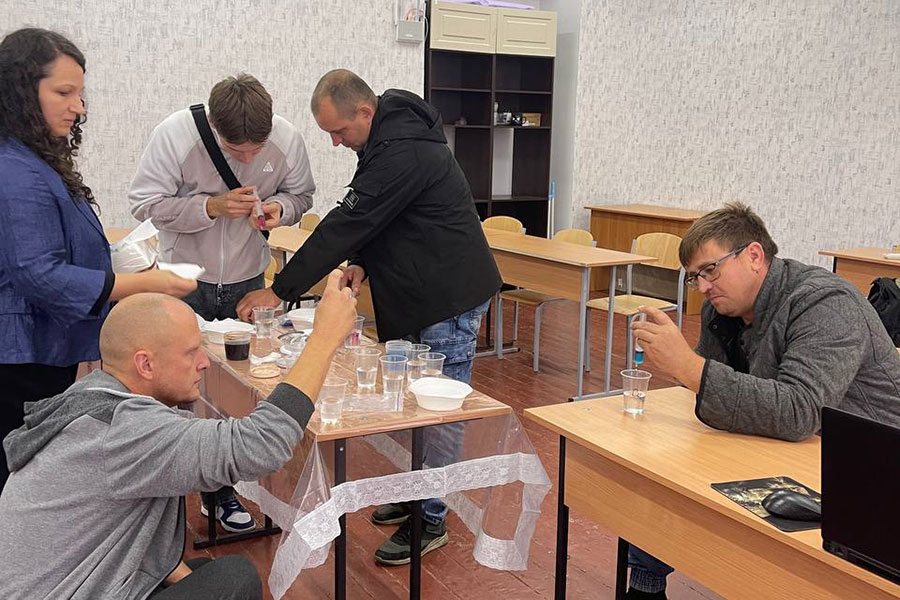
On 24 September, Nataliia Hirenko, Associate Professor at the Department of Professional Education, Restaurant and Tourism Business, conducted a lecture and practical session on “Molecular Cuisine as an Innovative Approach to Culinary Arts.”
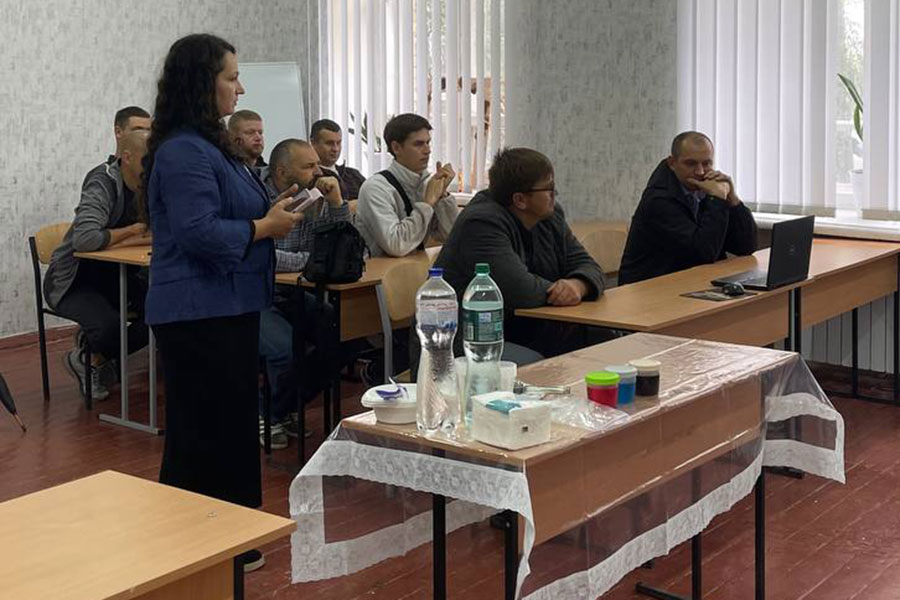
During the lecture, students learned about molecular cuisine as a modern culinary field that combines scientific principles, innovative technologies, and the art of preparing and presenting food. The contributions of renowned researchers and chefs to the development of molecular gastronomy were discussed, including Hervé This, Ferran Adrià, and Heston Blumenthal.
Particular attention was given to the main techniques of molecular cuisine, including spherification, gelation, gelatinization, espuma, carbonation, sous vide, and the use of liquid nitrogen. Students also learned about the principles behind changes in the structure and texture of food, the specific features of temperature and vacuum processing, and modern equipment used in molecular gastronomy.
The practical part of the class focused on the spherification of sweet syrups. Students carried out the main technological procedures themselves and observed the formation of small liquid spheres with a thin outer membrane. After completing the practical session, participants had the opportunity to taste the results of their work and evaluate the texture, flavour, and presentation of the resulting product.
The class enabled students to combine theoretical knowledge with practical experience of one of the best-known techniques in molecular cuisine and demonstrated the potential of innovative approaches in the modern food industry.
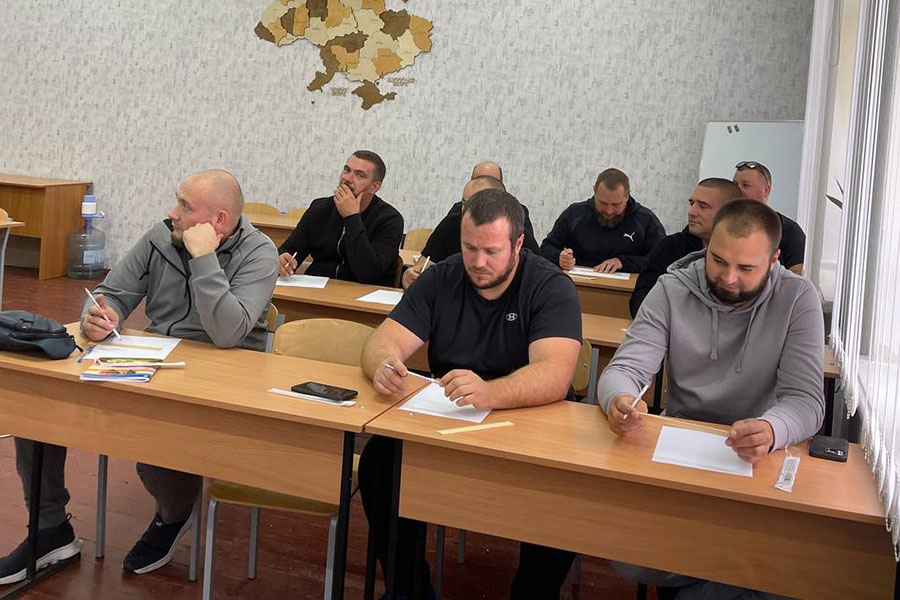
On 25 September, Viktor Burdun delivered a lecture for fourth-year students majoring in Vocational Education as part of the course “Theory and Methodology of Vocational Education.” Students learned about active and interactive teaching methods and the specific features of their application in the educational process of vocational education institutions.
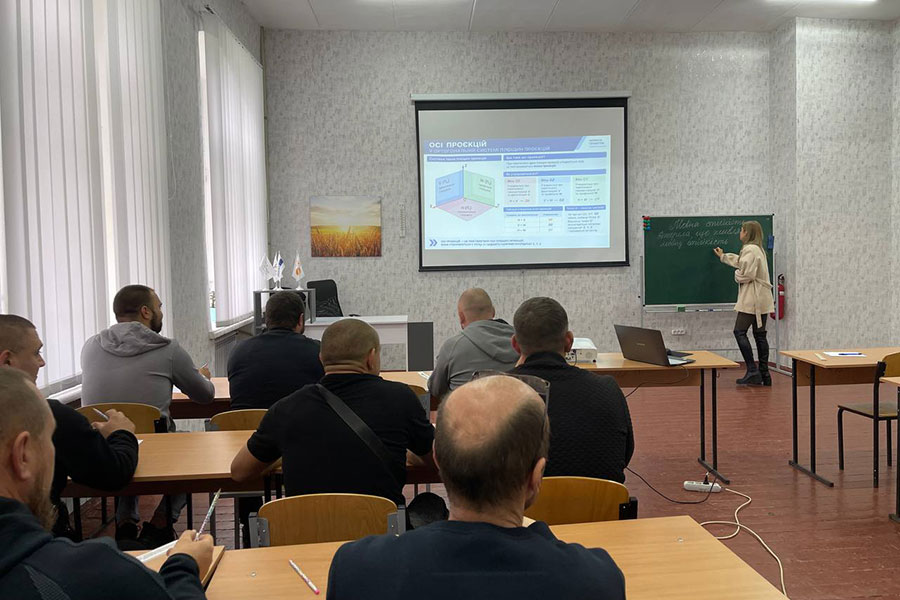
The series of classes concluded with practical sessions conducted by Anastasiia Rozhkova, Assistant Lecturer at the Department of Professional Education, Restaurant and Tourism Business, as part of the course “Engineering and Computer Graphics” for first-year students majoring in Vocational Education.
During the classes, first-year students explored the world of engineering graphics, mastering basic design methods and algorithms for solving spatial problems. They learned to “read” and construct technical drawings, developing spatial thinking and precision in creating graphical elements.
The practical component focused on mastering modern engineering graphics standards, which provide a foundation for further study of computer modelling and the professional development of future specialists.
Students enrolled in the department’s programmes also received consultations from lecturers and the Head of the Department on the organization of the educational process and the specifics of studying remotely, and had their questions answered.
We look forward to further opportunities to meet with our students in person!
Department of Professional Education, Restaurant and Tourism Business