Activities of the Section “Agrarian Sciences and Food: Traditions, Challenges and Prospects”
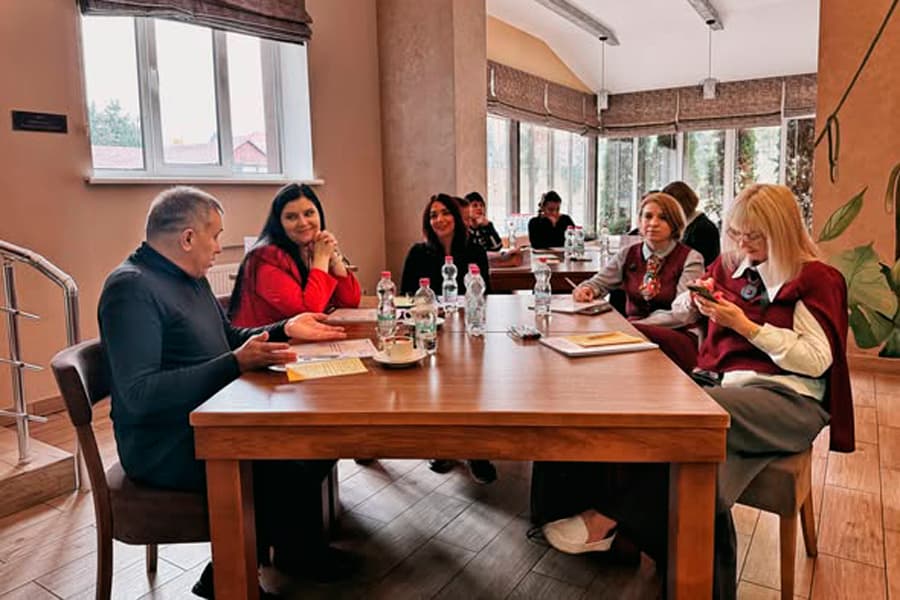
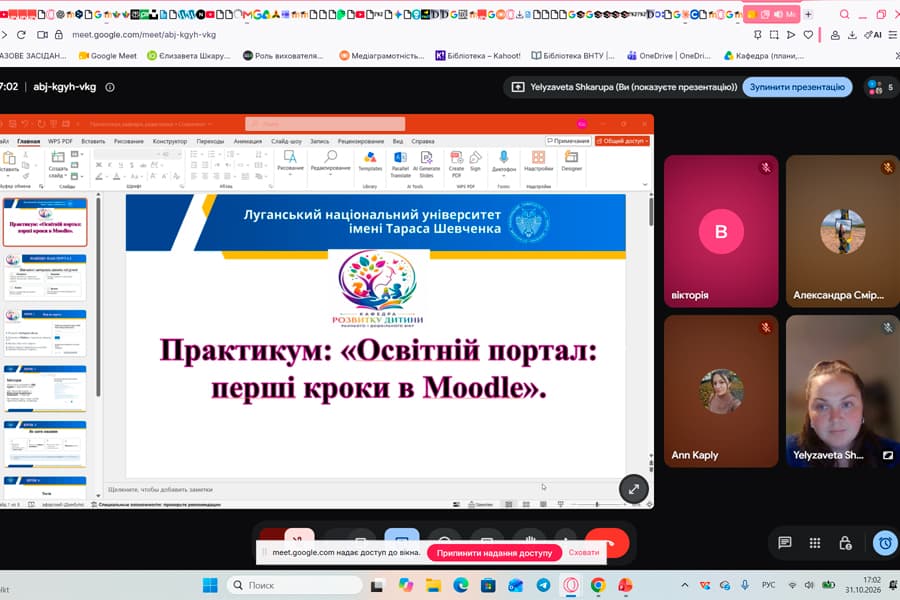
A total of 46 researchers, academic staff members and students participated in the section. The event was actively attended by lecturers from the Department of Biology and Agronomy: Professor A. V. Kokhan and Associate Professors N. F. Tymchuk, D. S. Tymchuk and O. A. Samoilenko. Representatives of the Department of Landscape Gardening and Ecology also participated, including Associate Professor S. O. Sokolov and Senior Lecturer S. O. Skakovskyi. Students enrolled in the Bachelor's and Master's degree programmes in Agronomy (specialisation H1) also took part in the section.
The section provided an important academic platform for discussing strategic issues related to the development of modern agricultural production in the face of growing climatic, environmental and economic challenges. Participants focused on identifying effective approaches to stabilising agroecosystems, increasing crop productivity and ensuring food quality.
Particular attention was paid to analysing the transformation of traditional farming systems, especially crop rotation structures, as one of the key tools for adapting agricultural production to climate change. Researchers examined how optimising crop rotations can help preserve soil fertility, improve the resilience of agroecosystems and reduce risks associated with extreme weather conditions.
Issues concerning the productivity and quality of major agricultural crops also featured prominently in the discussions. Participants considered research findings on crop yield structure, the factors influencing productivity and product quality indicators under different soil and climatic conditions, particularly in the Left-Bank Forest-Steppe region of Ukraine. The impact of climatic factors on crop production and the possibilities of predicting the consequences of climate change for the region's agricultural sector were also analysed.
Another important topic addressed during the section was the development of a modern, comfortable and inclusive urban environment. Participants discussed the principles of accessibility and universal design in the planning and organisation of parks and recreational spaces. This issue is particularly relevant in the context of creating an accessible environment for all groups of the population.
Overall, the section brought together traditional approaches in agricultural science and contemporary challenges, exploring promising solutions for the future. The discussions provided an opportunity not only to exchange research findings but also to identify practical ways of improving agroecosystem resilience, ensuring food security and creating a high-quality living environment.
According to the Department of Biology and Agronomy