Developing Effective Solutions for the Integration of IDPs
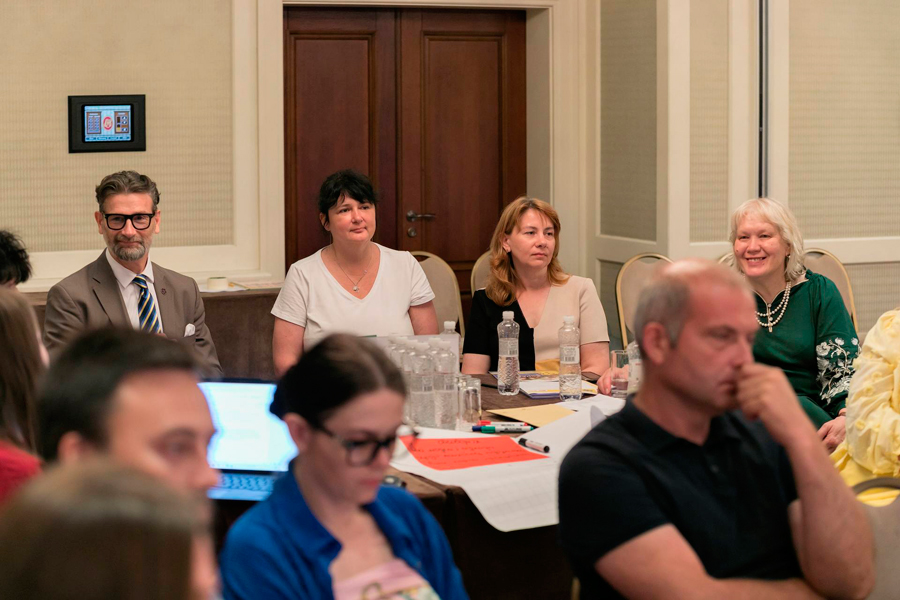
The strategic session was joined by Natalia Matsai, Dean of the Faculty of Natural and Agrarian Sciences of Luhansk Taras Shevchenko National University, Head of the Center for Ecological and Psychological Recovery.
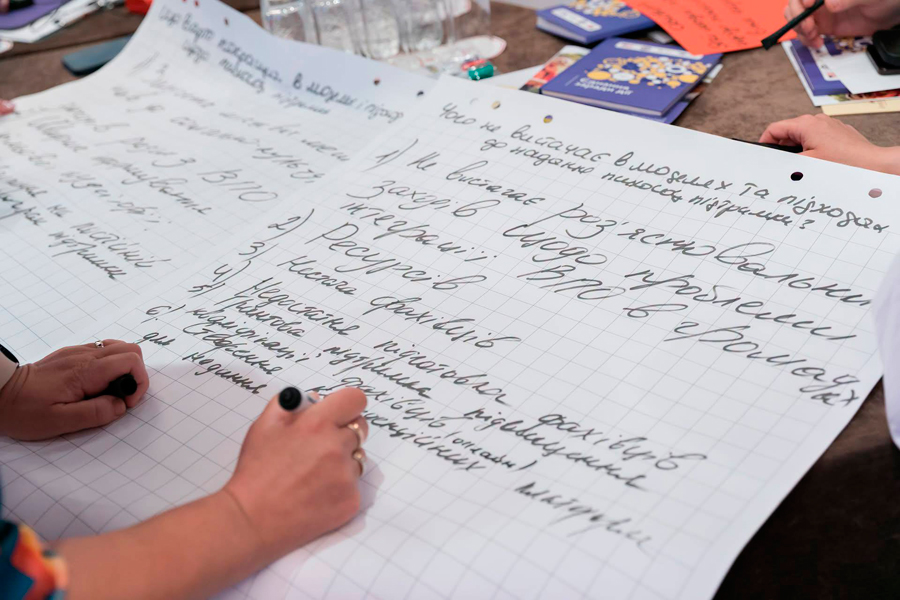
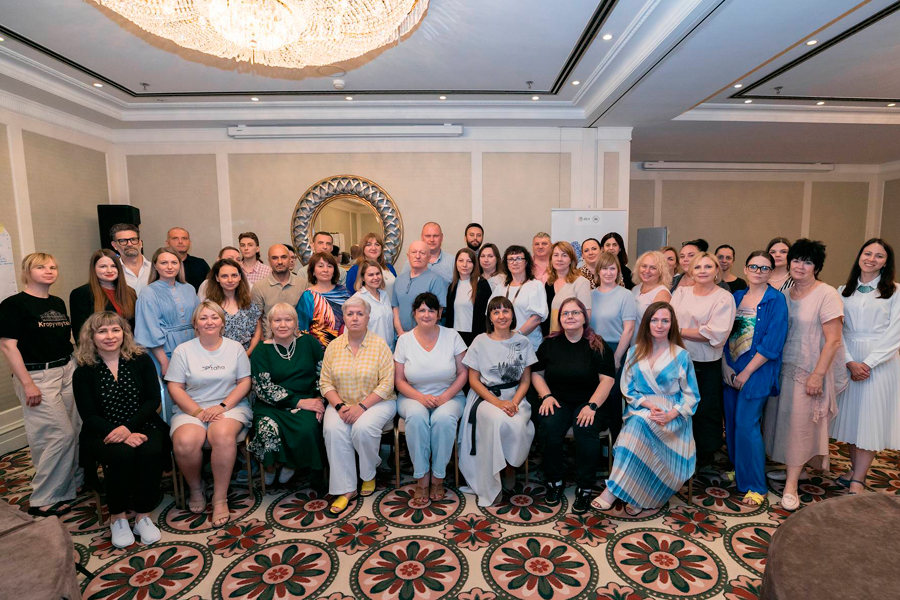
During the discussion, the participants focused on what modern state and local policies regarding internally displaced persons should be. The main topic of the discussion was the transition from a model of short-term support to creating conditions for people to fully realize themselves in new communities.
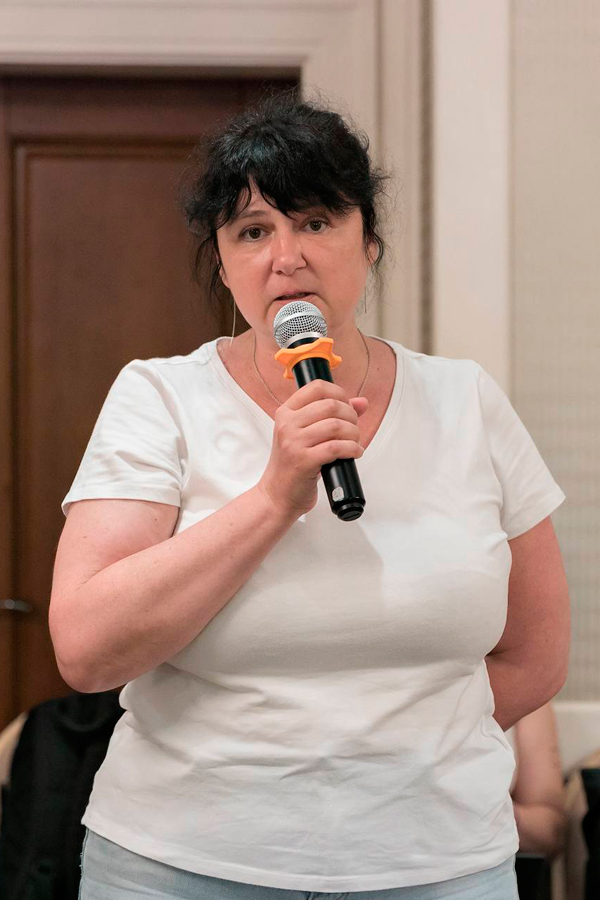
As Natalia Matsai noted:
“When a community begins to see in a person not only their needs, but also their opportunities, integration ceases to be a policy of support and becomes a policy of development. This is precisely the basis of strong communities. After all, the task of state and local policy is not only to support a person in a period of crisis, but also to create opportunities for their knowledge, experience and initiative to become part of the joint development and restoration of the country.”
The participants of the strategic session concluded that the policy of integration of IDPs should be based not only on identifying people’s needs, but also on revealing their potential. People who were forced to leave their homes due to the war are an important resource for the development of communities, because among them are highly qualified specialists, entrepreneurs, public figures and active citizens who are able to make a significant contribution to the restoration of the country.
Among the key developments of the event:
the need to shift the emphasis of state and local policy from exclusively social support to the development of communities through the effective involvement of human potential;
systematic assessment of professional competencies, experience, skills and entrepreneurial initiatives of internally displaced persons for their successful integration into community life;
consideration of support for IDPs as a long-term investment in human capital that contributes to economic development, strengthening of communities and growth of the country's well-being.
Such professional discussions are of particular importance in today's conditions, because they form the basis for creating effective solutions that in the future can become the basis of state and local policies in the field of integration of internally displaced persons.
We express our gratitude to the organizers for the invitation and the opportunity to join the discussion of one of the most important challenges that Ukrainian communities are working on today.
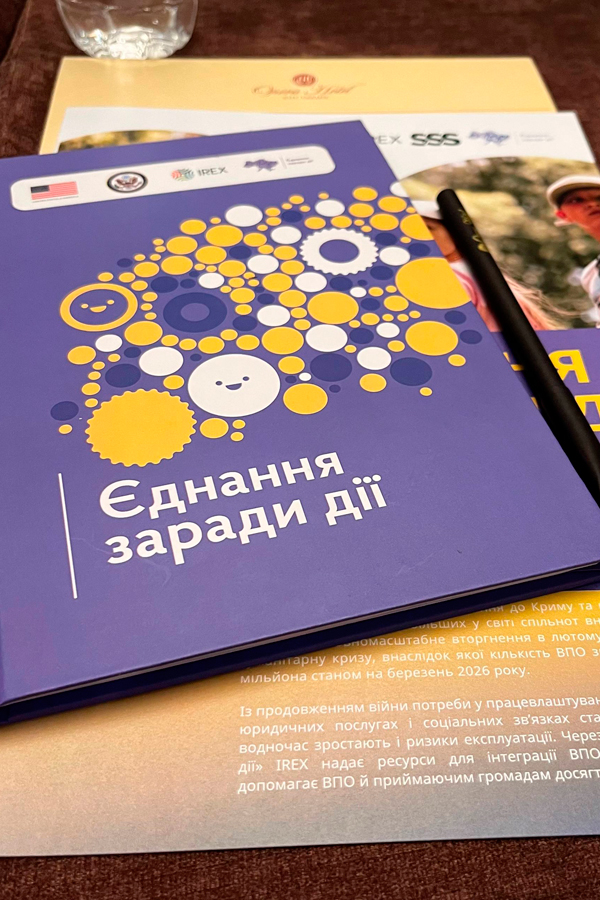
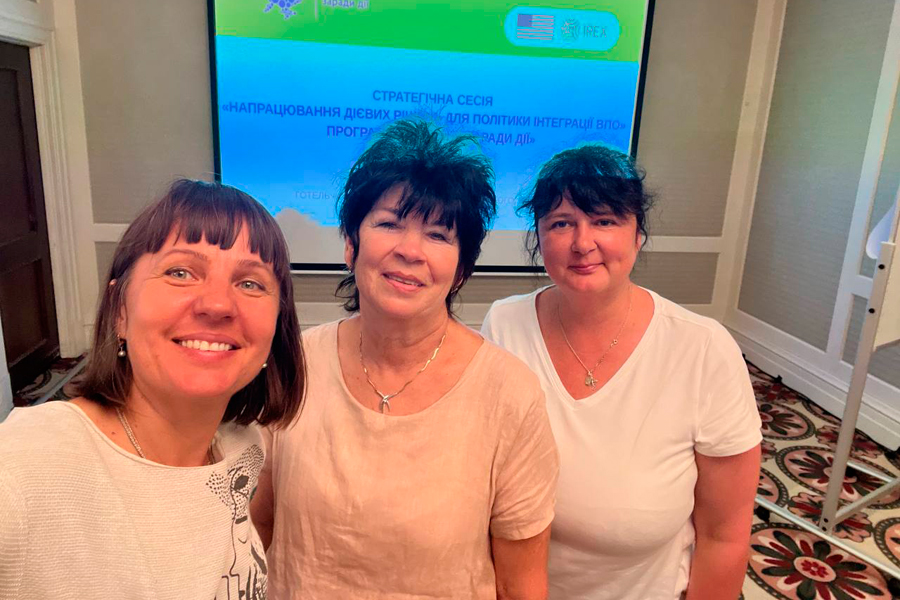
The strategic session "Developing effective solutions for IDP integration policy" was held within the framework of the "Unity for Action" program, which is implemented by IREX in Ukraine with the support of the US Department of State.
Faculty of Natural and Agrarian Sciences