International Conference "Days of Science - 2026": Section "Achievements, Problems and Prospects of Research in the Field of Natural Sciences"
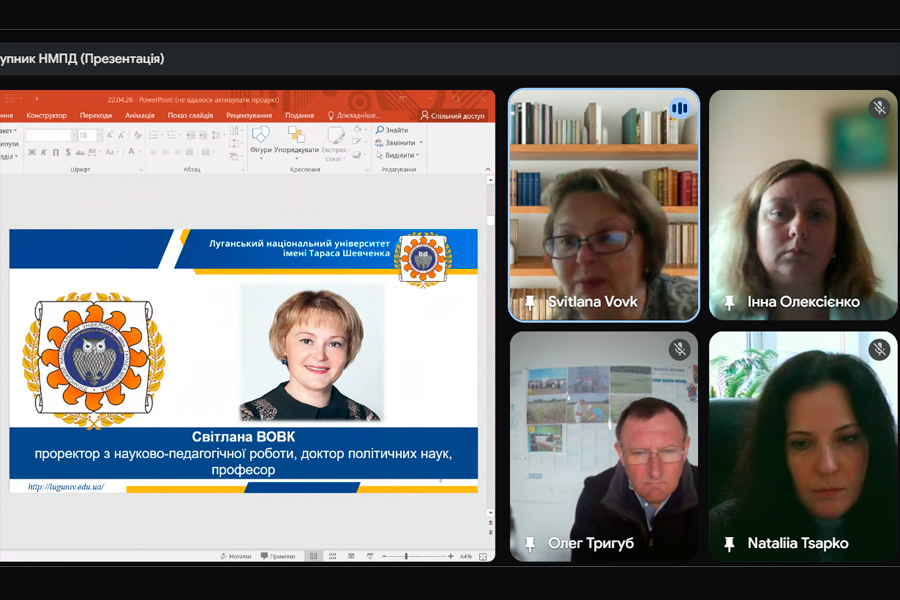
The conference was opened by Svitlana Vovk, Vice-Rector for Scientific and Pedagogical Work, Doctor of Political Sciences, Professor. The participants were welcomed by Olena Pashchenko, First Deputy Head of the All-Ukrainian Ecological League, Coordinator of the All-Ukrainian Children's Union "Ecological Guard"; Oleg Tryhub, Acting Deputy Director for Scientific Work of the Ustimov Research Station of Plant Growing; Natalia Tsapko, First Deputy Director of the National State Educational Institution "Ukrainian Research Institute of Ecological Problems".
The topics of the section's reports covered a wide range of scientific areas: from geoinformation technologies and climate change to biodiversity, environmental monitoring and protection of natural areas. Particular attention was paid to the problems of ecosystem degradation, the impact of military operations on the environment, as well as issues of biodiversity conservation.
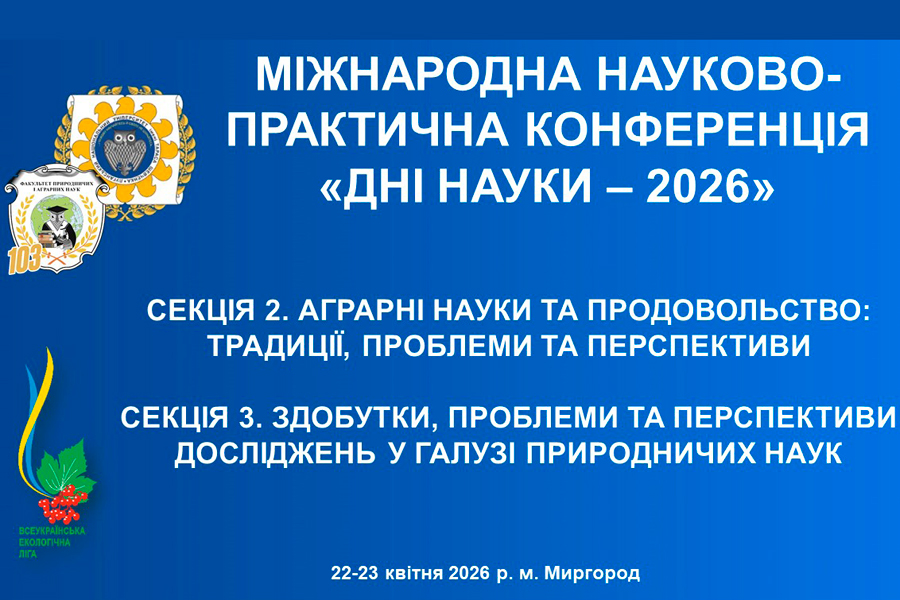
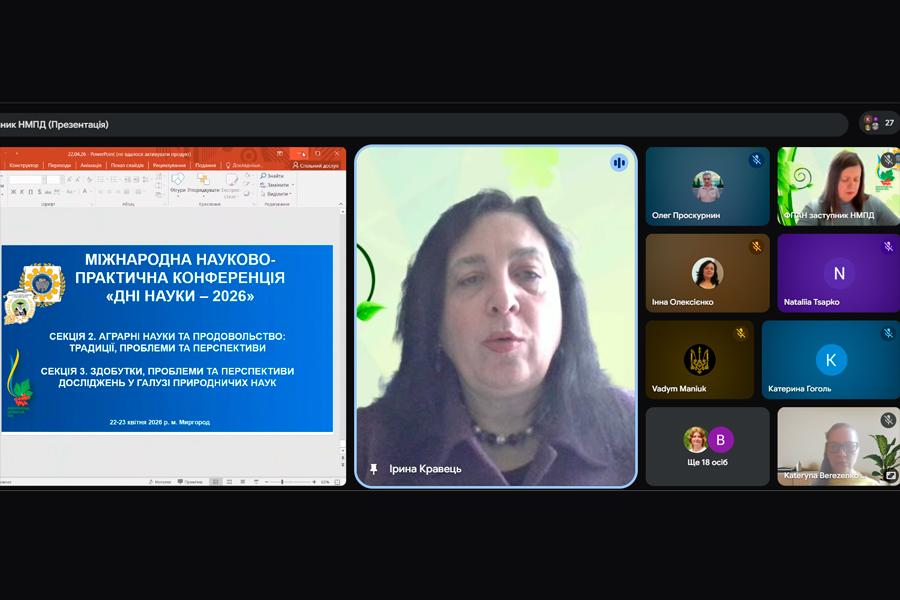
During the plenary session, a report was made by Natalia Matsai, Dean of the Faculty of Natural and Agrarian Sciences of LTSNU, Head of the Luhansk Branch of the All-Ukrainian Ecological League NGO. In her speech, she focused on the development of the faculty as an integrated educational and scientific community. The key stages of its formation were consistently outlined, modern priorities of activity were identified, and a vision of further progress was presented. Considerable attention was paid to the historical dimension: the faculty has more than a century of history, dating back to 1923. At the same time, its ability to adapt to challenges was emphasized. Despite the difficult circumstances and forced displacements, it was possible to preserve the scientific potential and ensure the continuity of the development of natural and agricultural research.
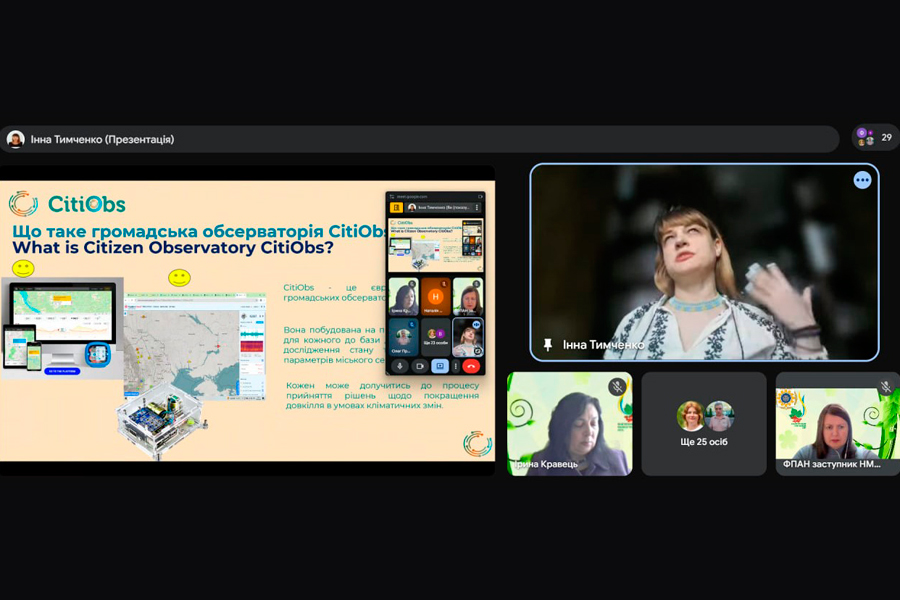
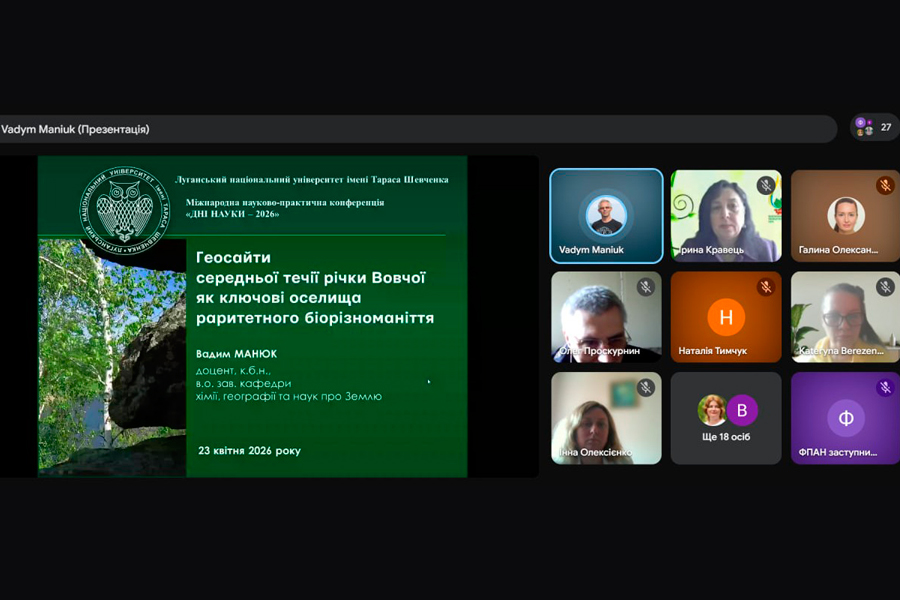
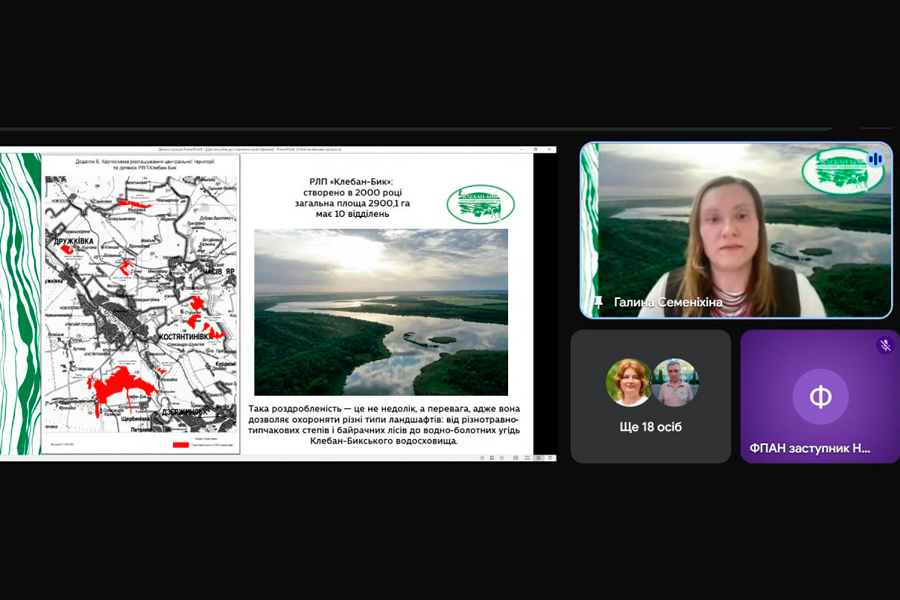
A number of reports were presented within the section, reflecting both fundamental and applied aspects of modern natural research. In particular, attention was focused on the study of geosites as centers of conservation of rare biodiversity, issues of using innovative approaches to teaching geography through virtual visualizations, as well as on the development of tools to increase the reliability of environmental calculations in the field of water use. Separate reports concerned remote monitoring of avifauna of protected areas, the development of public control over atmospheric air quality using modern observation platforms, as well as the use of model biological objects in the educational process. The presented studies demonstrated the breadth of the topic, interdisciplinary nature and practical significance of modern scientific approaches.


The results of the section noted the relevance of the presented research, its interdisciplinary nature and practical significance for solving applied problems in the field of natural sciences.
We would like to thank everyone who participated in the work of the section: scientists, young researchers, and practitioners. Special thanks to the co-organizers of the conference for the opportunity of such interdisciplinary interaction and to the guests for their interest and support of the scientific dialogue.
Faculty of Natural and Agrarian Sciences