Dialogue of Cultures in Challenging Times
Among the participants were researchers and teachers from universities in Poland, the People’s Republic of China, Japan, Turkey, Great Britain and the United States of America. Such a wide geography testified to the deep interest of the international academic community in the topic of intercultural dialogue, which is especially relevant today.
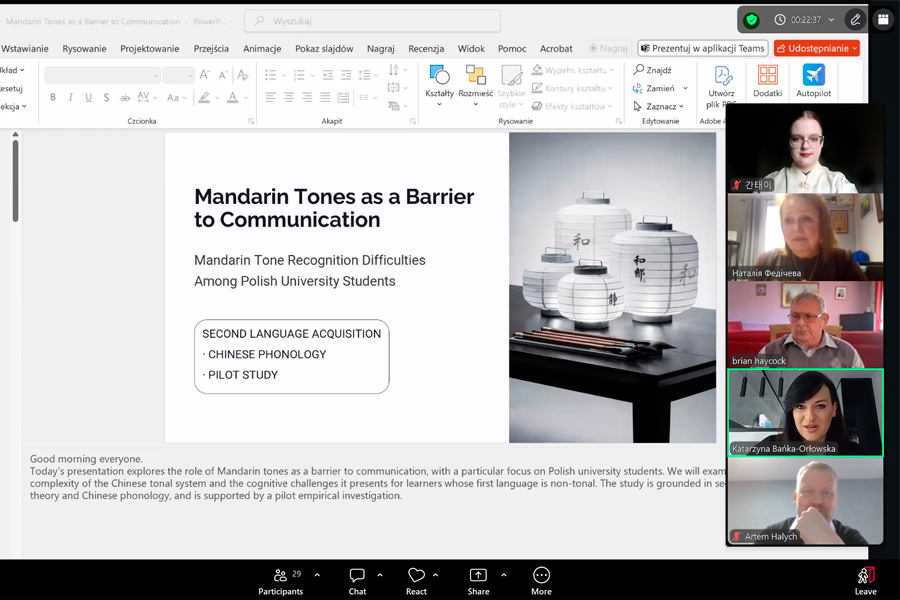
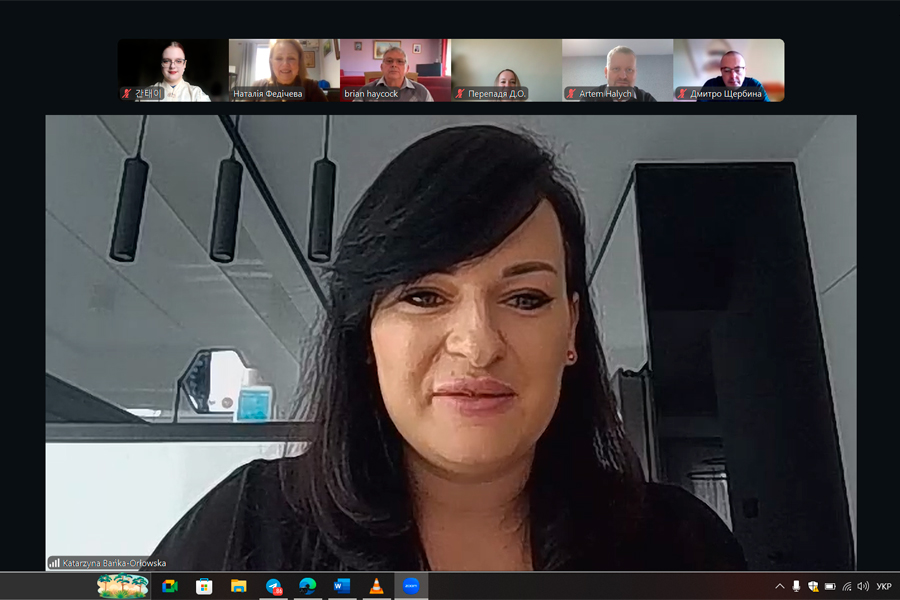
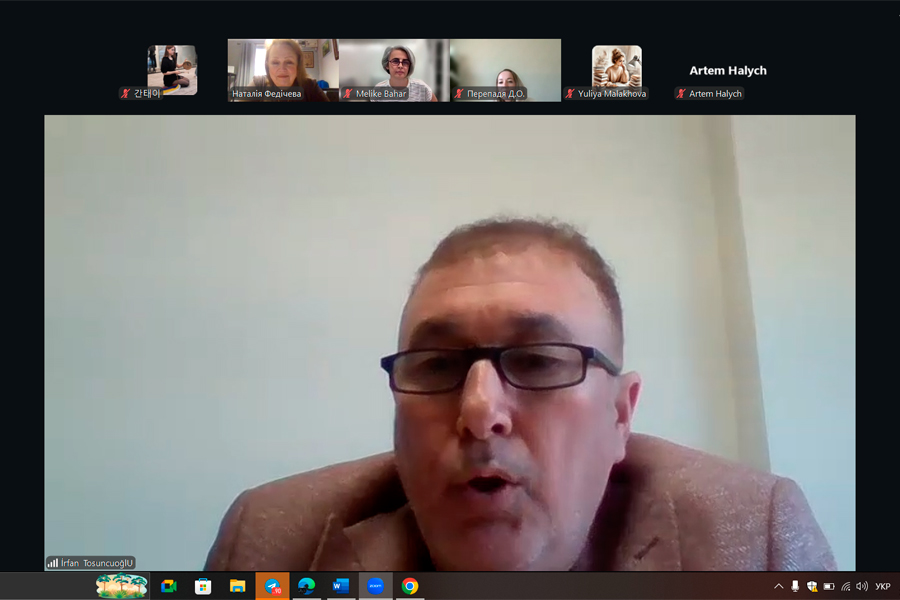
The Dean of the Faculty, Professor, Doctor of Philology Artem Halych, addressed the audience with a welcoming speech. He emphasized the importance of holding such international conferences and noted that despite the war and all the difficulties, scientific life at LTSNU continues, and partnerships with leading universities of the world are developing fruitfully.
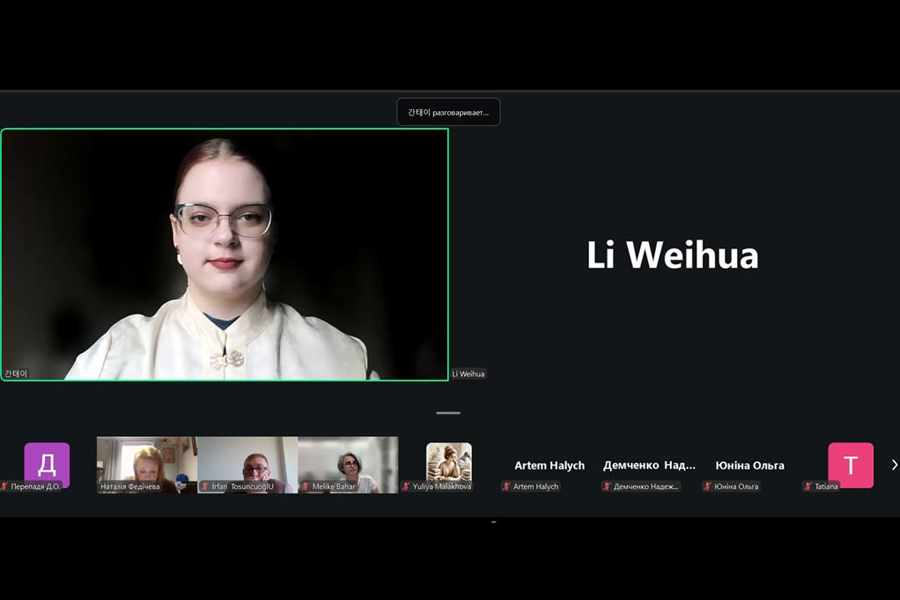
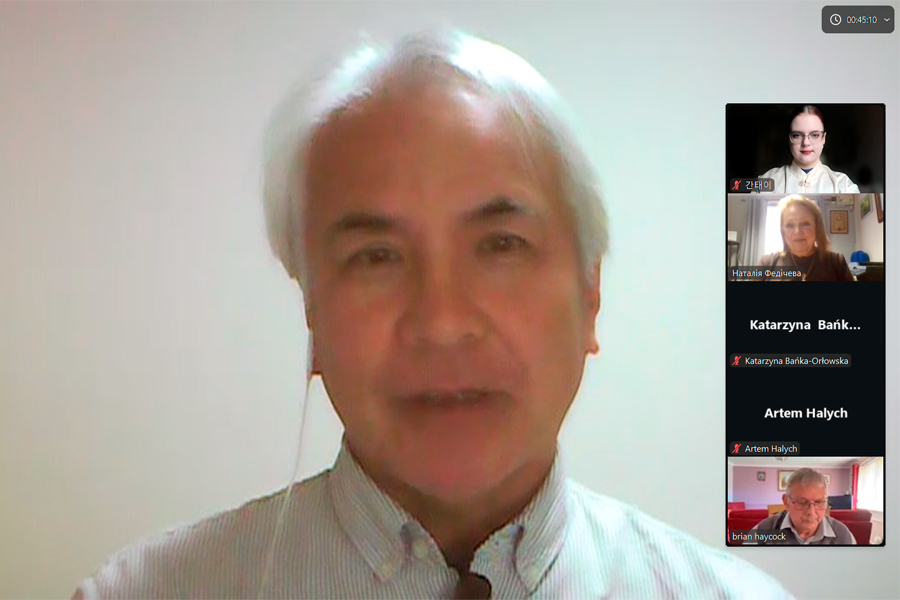
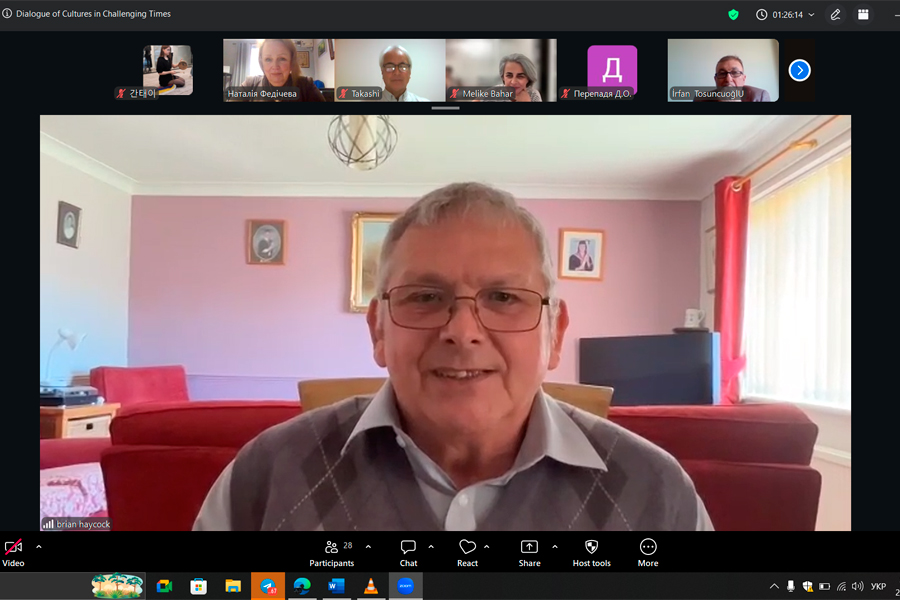
The conference topics covered key areas of modern humanities education, including language education, intercultural education in a globalized world, open dialogue between cultures as a path to mutual understanding, the role of art and literature in promoting cultural dialogue, the well-being of teachers and learners in difficult times, etc. Great interest was aroused by such topics as “Breakfast, Birds and Cookies: Teaching Intercultural Reading through the Translation of Student Poetry” (Pavlo Chopin, Ukraine), “Fishing for Well-Being: Emotional, Psychological, Social and Physical Health Benefits of Fishing” (Brian Haycock, Great Britain), “What Level of Competence in the Field of Artificial Intelligence Does the Workplace Expect from Our Graduates?” (John Upson, USA). The languages of communication were Ukrainian, English, Chinese and Japanese. Some presentations had been translated by a 3rd year student, fluent in six languages, Sofia Nedogibchenko.
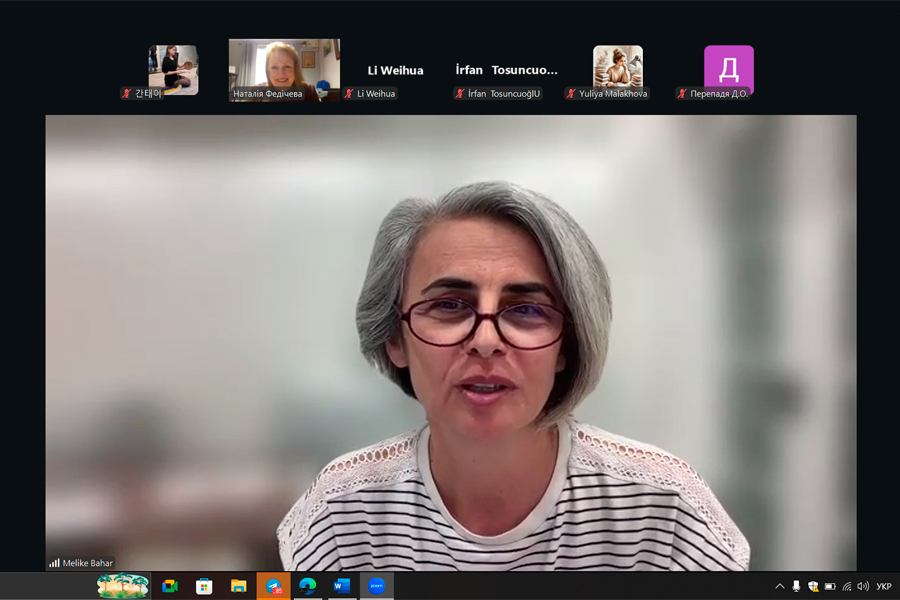

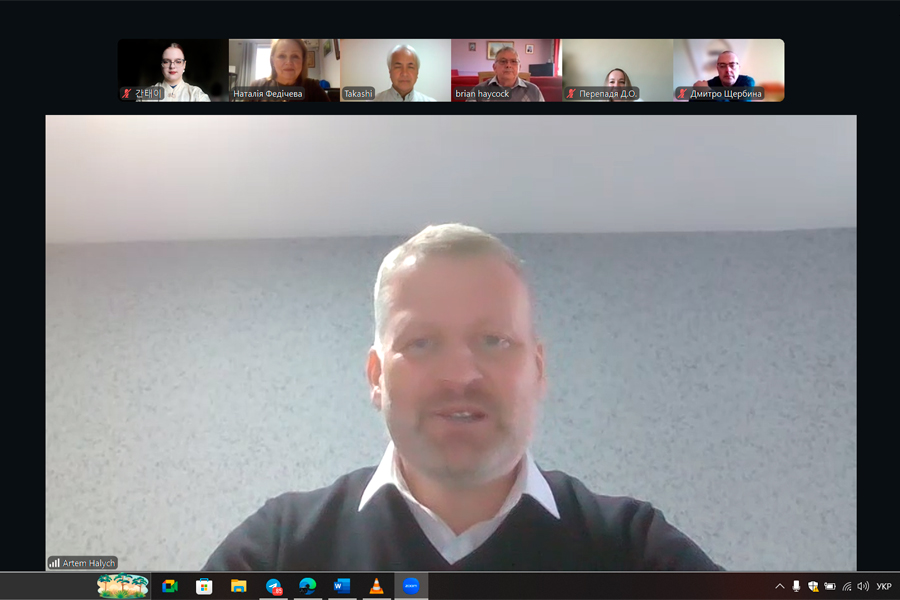
Former prominent teachers of Luhansk Taras Shevchenko National University Alexander Lennarts (USA), Li Weihua (China), Takashi Itozawa (Japan) and Melike Bahar Tike Tetik (Turkey) addressed the conference participants with welcoming talks.
The conference became a vivid example of the fact that even in the most difficult times, research remains a space of dialogue, understanding and joint search for ways to promote peace and development.
The conference program cam be reached here: https://drive.google.com/file/d/1hmkfTuW8xxia_ropkWIPJbkm3RzPZioP/view?usp=sharing
Faculty of Social and Humanitarian Sciences