Animation Technologies in Inclusive Education: A Professional Dialogue for Speech Therapists’ Day
The event brought together members of the academic community, students, practicing speech therapists, and specialists in inclusive education.
The speaker was Roman Sylko, a long-standing partner of the Special Education Department, PhD in Education and Associate Professor at the Department of Art Disciplines of Taras Shevchenko National University “Chernihiv Collegium.”
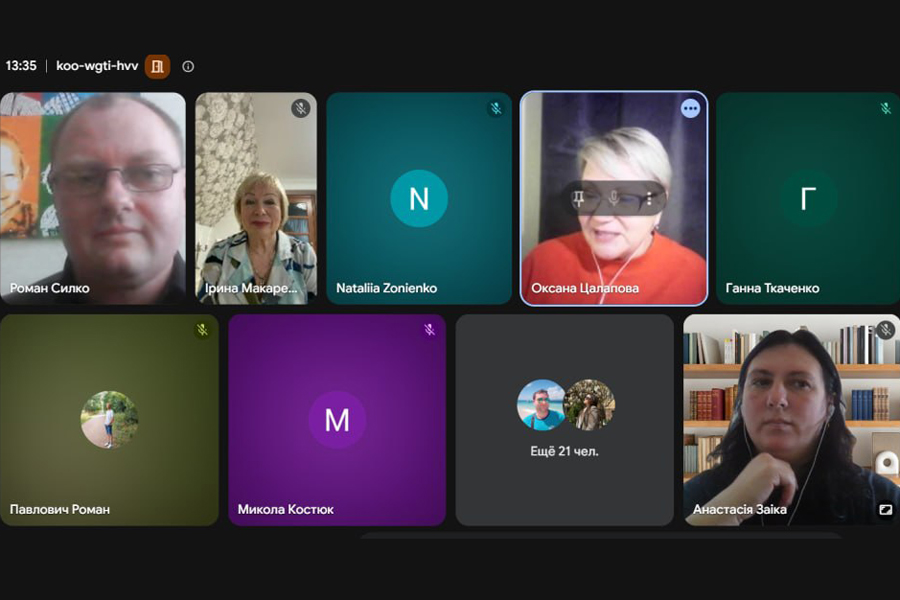
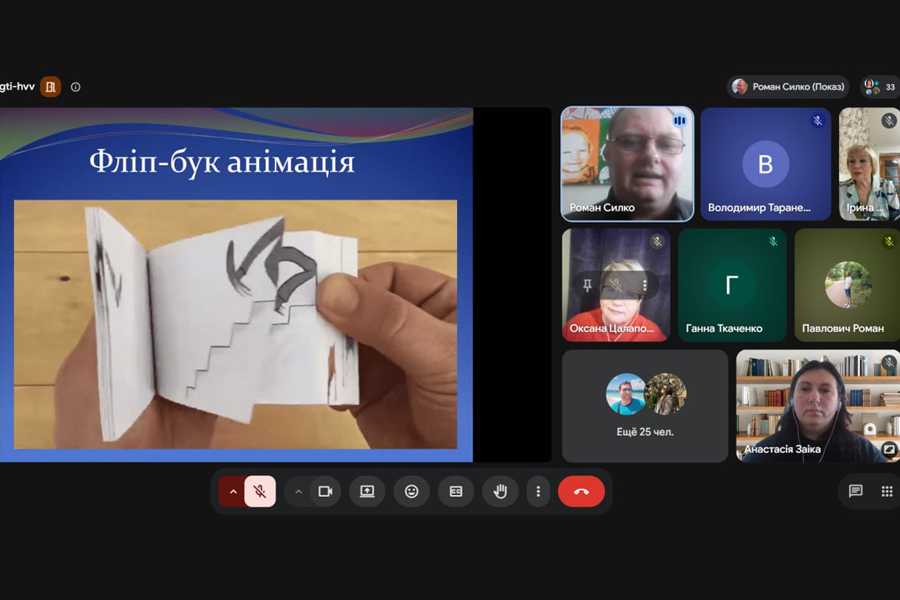
During the lecture, Roman Sylko explored the potential of animation and animated-film technologies as effective tools for working in inclusive educational environments and speech therapy practice. Particular attention was devoted to the following areas:
Animation as a means of communication. Creating animated films can help overcome psychological barriers, reduce anxiety, and promote more open interaction among children with special educational needs.
The developmental and corrective potential of animation. Animation activities can contribute to the development of fine motor skills, spatial awareness, emotional intelligence, coherent speech, and communication skills.
Practical tools. Participants learned about methods for involving preschool and primary-school children in creating their own animation projects during speech therapy and corrective-developmental activities.
An interdisciplinary approach. The combination of corrective pedagogy, art, and modern multimedia technologies can help create a motivating and developmental learning environment.
The lecture took the form of a lively dialogue, accompanied by discussions and questions from participants. It generated considerable interest and received positive feedback.
Students from the Special Education Department, the Department of Early Childhood and Preschool Development, and the Primary Education Department also took part in the event. Participants had an opportunity to discuss the practical application of animation technologies in the work of inclusive resource centres, special schools, and during corrective-developmental activities.
Events of this kind help broaden the professional outlook of future specialists, familiarize them with innovative technologies for working with children with special educational needs, and strengthen professional cooperation between higher education institutions and practitioners.
Speech Therapists’ Day provided yet another opportunity to recognize that modern speech therapy is not limited to professional knowledge and established methods. It also involves creativity, the search for new possibilities, and faith in the potential of every child.
Information provided by the Special Education Department